















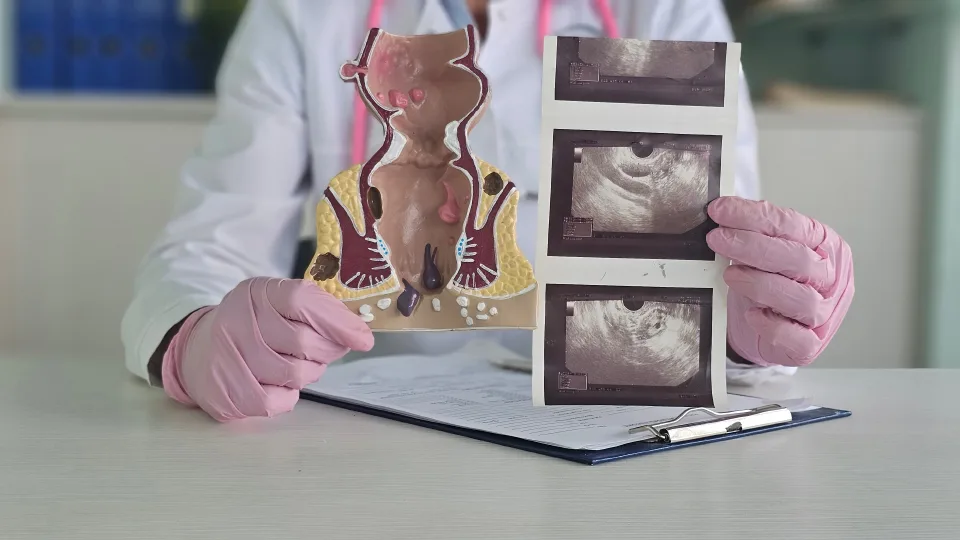
Colorectal conditions do not always cause obvious symptoms in their early stages. Polyps, early colorectal cancer and some other bowel conditions may be present before a person notices persistent pain, bleeding or changes in bowel habits.
This is why feeling well does not necessarily rule out an underlying colorectal condition. Understanding how these conditions can remain silent also helps explain the role of screening and why some people may be advised to undergo assessment before symptoms appear.
Key Takeaways
- Some colorectal conditions can develop without causing noticeable symptoms in their early stages.
- Colorectal polyps and early colorectal cancer may be present before bleeding, pain or changes in bowel habits develop.
- Symptoms may appear only when a condition begins to affect bowel function or surrounding tissues.
- Colonoscopy can detect certain colorectal abnormalities before symptoms develop and allows polyps to be removed during the same procedure where appropriate.
- Screening recommendations depend on factors such as age, family history, previous findings and individual colorectal cancer risk.
Why Can the Colon Harbour Disease Without Symptoms?
The absence of symptoms does not necessarily mean that the colon is free from disease. Several features of the bowel allow early abnormalities to develop without immediately affecting how a person feels or how regularly they pass stool.
Small Abnormalities May Not Affect Bowel Function
The colon is wide and flexible, allowing stool to continue passing even when a small growth or localised abnormality is present. Early changes may occupy only a small part of the bowel lining and therefore have little effect on digestion or bowel movements.
A small polyp, for example, may develop on the inner lining without obstructing the bowel or causing discomfort. Other localised abnormalities may similarly be present without immediately changing how the bowel functions.
Many Changes Begin in the Inner Bowel Lining
Several colorectal conditions begin within the mucosal lining of the colon or rectum. These internal changes cannot be seen or felt from outside the body and may remain unnoticed while they are small.
Symptoms are more likely to become noticeable if an abnormality begins causing bleeding, inflammation or disruption to normal bowel movements. Before this happens, a person may continue to feel well despite changes developing within the bowel.
Colorectal Conditions May Progress Gradually
Certain colorectal conditions develop over months or years rather than appearing suddenly. During this time, an abnormality may remain too small or localised to noticeably interfere with bowel function.
Even when subtle changes occur, they may be intermittent or mistaken for temporary digestive variations related to diet, stress or normal fluctuations in bowel habits. This can make an underlying colorectal condition difficult to recognise based on symptoms alone.
Which Colorectal Conditions Can Develop Silently?
Several colorectal conditions may cause few or no noticeable symptoms during their early stages. Examples include:
Colorectal Polyps
Most colorectal polyps do not cause symptoms, particularly when they are small. These growths develop on the lining of the colon or rectum and may remain unnoticed because they do not necessarily interfere with the passage of stool or cause discomfort. Although many polyps are benign, certain types are precancerous and may develop into colorectal cancer over time. Their silent nature means a person cannot reliably determine whether polyps are present based on how they feel.
Early Colorectal Cancer
Early-stage colorectal cancer may cause few or no noticeable symptoms. A small cancer may not bleed consistently or interfere with the movement of stool, making it difficult to identify from symptoms alone. As the condition progresses, changes may become more apparent. However, the absence of early symptoms is one reason colorectal cancer can sometimes be present before a person becomes aware that anything is wrong.
Diverticulosis
Diverticula are small pouches that form in the wall of the colon and become more common with age. Many people with diverticulosis do not experience symptoms and may be unaware that the pouches are present. Symptoms may develop if complications occur, such as inflammation associated with diverticulitis or diverticular bleeding. Until then, diverticulosis may have little noticeable effect on everyday bowel function.
Why May Symptoms Be Delayed?
Symptoms often arise when a colorectal condition begins to have a greater effect on the bowel rather than simply because an abnormality is present.
Symptoms May Emerge as Bowel Function Becomes Affected
As an abnormality grows or begins to affect how stool passes through the bowel, changes in bowel habits or discomfort may become more noticeable. The timing and nature of these symptoms vary depending on the condition and where it occurs.
Bleeding May Not Occur Consistently
Some colorectal abnormalities can cause bleeding, but this does not necessarily happen continuously. When bleeding is absent, minor or intermittent, a person may not notice any visible change. This means that the lack of obvious rectal bleeding does not by itself rule out the presence of a colorectal condition.
Symptoms May Develop When Inflammation or Complications Occur
Certain conditions remain relatively quiet until they become inflamed or develop complications. Diverticulosis, for example, may cause no symptoms until diverticulitis or diverticular bleeding develops. Similarly, other colorectal abnormalities may become more noticeable once they begin disrupting bowel function or affecting surrounding tissues.
Subtle Changes Can Be Easy to Overlook
Early symptoms are not always dramatic. Mild or occasional changes in bowel habits can occur for many reasons, including diet, stress, medication or short-term illness. Because such changes are common, subtle symptoms associated with an underlying colorectal condition may not immediately appear unusual. Persistent, worsening or unexplained symptoms should therefore be medically assessed.

Why Do Doctors Recommend Screening Before Symptoms Develop?
Waiting for symptoms to appear is not always an effective way to identify colorectal abnormalities early because some conditions may already be present while a person still feels well.
Screening is intended to look for certain abnormalities before they begin causing noticeable problems. Whether screening is appropriate, and when it should begin, depends on factors such as age, family history, previous colorectal findings and an individual's overall colorectal cancer risk.
A colonoscopy is one method doctors may use for colorectal screening. During a colonoscopy procedure, a flexible instrument with a camera is used to examine the inner lining of the colon and rectum. This allows the doctor to look for abnormalities that may not yet be causing symptoms.
One advantage of colonoscopy is that colorectal polyps can be identified and, where appropriate, removed during the same procedure. Because certain types of polyps can become cancerous over time, detecting them before symptoms develop may allow these changes to be addressed earlier.
Detecting Colorectal Conditions Before Symptoms Develop
The absence of bowel symptoms does not necessarily mean that colorectal screening or assessment is unnecessary. Whether investigation is appropriate depends on factors such as age, family history, previous findings, individual risk and the presence of any new or persistent symptoms.
Colorectal Practice provides colorectal assessment, screening and treatment for a range of bowel conditions. The team includes senior consultant colorectal surgeons Dr Dennis Koh, Dr Sharon Koh and Dr Pauleon Tan, who provide patient-centred, evidence-based colorectal care. Schedule a consultation to discuss whether screening or further assessment may be appropriate for you.
Frequently Asked Questions (FAQs) About Colorectal Conditions
Can I have a colorectal condition even if I feel completely healthy?
Yes. Many colorectal conditions, including polyps, early colorectal cancer and diverticulosis, may not cause symptoms in their early stages. This is why some conditions are only discovered during a colonoscopy performed for screening or investigation of unrelated concerns.
If I have no symptoms, do I still need a colonoscopy?
It depends on your age, family history and individual risk factors. Many people undergo colonoscopy screening even when they feel well because the procedure can detect abnormalities before symptoms develop. Your doctor can advise whether screening is appropriate for you.
Does rectal bleeding always mean colorectal cancer?
No. Rectal bleeding can be caused by a range of conditions, including haemorrhoids, anal fissures, diverticular disease, inflammatory bowel disease and colorectal cancer. Because the causes vary in severity, any persistent or unexplained bleeding should be assessed by a doctor.
Can bowel habits change without there being a serious problem?
Yes. Temporary changes in bowel habits may occur because of diet, stress, medication or minor illnesses. However, changes that persist for several weeks, worsen over time or occur alongside other symptoms such as bleeding or weight loss should be medically evaluated.
How can I know whether I need screening if I feel well?
Screening eligibility is usually determined by factors such as age, family history, previous polyps and personal medical history rather than symptoms alone. A colorectal specialist can assess your risk profile and recommend an appropriate screening schedule.
Meet Our Colorectal Specialists in Singapore