













Colorectal cancer is one of the most commonly diagnosed cancers in Singapore. Regular screening can help detect colorectal cancer at an earlier stage and identify precancerous polyps before they develop into cancer.
At Colorectal Practice, colonoscopies are performed by Senior Consultant Colorectal Surgeons Dr Dennis Koh, Dr Sharon Koh, and Dr Pauleon Tan. The team has experience in colorectal cancer screening, advanced endoscopy and the diagnosis and treatment of colorectal conditions.

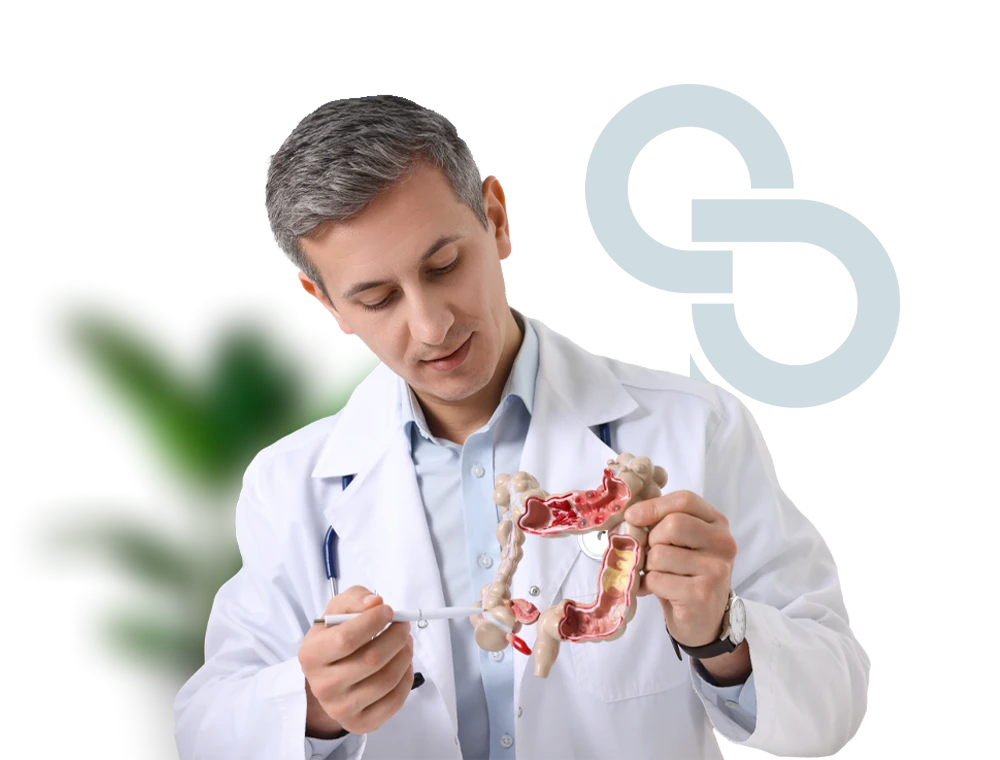
A colonoscopy examines the entire colon and rectum using a thin, flexible tube with a camera called a colonoscope. During the procedure, the doctor can:
The procedure is usually performed under sedation for patient comfort.
When Is a Colonoscopy Recommended?
Who Should Undergo a Colonoscopy?

How to Prepare for a Colonoscopy?
3–7 Days Before
- Follow any dietary instructions provided by your doctor, which may include avoiding high-fibre foods
- Inform your doctor about any medications or supplements you take, particularly blood thinners or iron supplements
- Do not stop or adjust any medication unless advised by your doctor
The Day Before
- Follow the recommended diet, which may include clear liquids such as water, clear broth or juice without pulp
- Take the prescribed bowel preparation solution according to your doctor's instructions
- Drink enough permitted fluids to stay hydrated
On the Day of Your Colonoscopy
- Complete any remaining bowel preparation as instructed
- Follow the fasting instructions provided by your doctor
- Take essential medications only as directed
- Arrange for someone to accompany you home, as you should not drive after sedation
By the end of the bowel preparation, your stools should generally be clear or pale yellow and watery. If your bowel preparation does not appear to be working as expected, contact the clinic for advice.
What to Expect During a Colonoscopy?
A colonoscopy is an outpatient procedure that typically takes around 20–40 minutes. It is usually performed under sedation for patient comfort.
During the procedure:
What Happens After a Colonoscopy?
Immediately After the Procedure
Eating and Returning to Normal Activities
Getting Home Safely
When to Seek Medical Attention
What Do the Results of My Colonoscopy Mean?
Your doctor will discuss the findings with you after the procedure. If a biopsy was taken or a polyp removed, the sample will be sent for laboratory testing.
If No Abnormalities Are Found
If Polyps or Abnormal Tissue Are Found
What Are the Risks Involved in a Colonoscopy?
Colonoscopy is generally considered a safe procedure, although complications can occur. These may include:
Are There Alternatives to Undergoing Colonoscopy?
Depending on your symptoms and risk profile, other colorectal screening or diagnostic tests may be considered.
Faecal Immunochemical Test (FIT)
CT Colonography
Flexible Sigmoidoscopy
Colon Capsule Endoscopy
Barium Enema
FAQs on Colonoscopy
Our Colonoscopy Specialists