















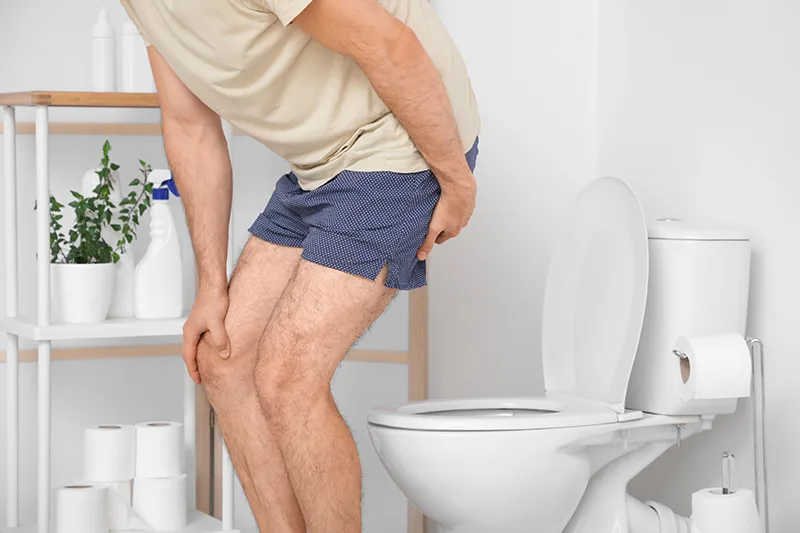
Many people delay seeking treatment for piles because they are worried that surgery will be the only option. The thought of pain, downtime or invasive procedures can feel overwhelming, especially when symptoms first appear mild. However, the good news is that not all piles require surgery, particularly when they are diagnosed and treated early.
In many cases, conservative treatment options such as medication, dietary changes and lifestyle adjustments may help relieve symptoms and prevent the condition from worsening. For patients with early-stage piles, these non-surgical approaches are often the first step in management and may provide effective symptom control without the need for more invasive treatment.
Understanding Piles and Why Early Treatment Matters
Piles, also known as haemorrhoids, are swollen veins that develop in or around the rectum and anus. They are a common condition that can affect people of different ages, and symptoms may range from mild discomfort to more noticeable irritation during bowel movements.
Some of the common symptoms patients experience include:
- Bright red bleeding during bowel movements
- Itching or irritation around the anal area
- Mild swelling or a small lump near the anus
- Discomfort when sitting or passing stool
Although these symptoms can feel worrying or embarrassing, piles are often manageable, especially when identified early. Many patients assume that surgery is unavoidable once piles develop, but this is not always the case. In fact, early-stage piles can often be treated with conservative measures such as medication, dietary adjustments and lifestyle modifications.
Seeking medical attention early is important because symptoms that appear mild at first may worsen over time if left untreated. An early assessment also allows the doctor to determine the severity of the piles and recommend treatment options that may help relieve symptoms without the need for surgery.
When Is Medication and Conservative Treatment Sufficient?
For many patients with early-stage piles, non-surgical treatment may be sufficient to manage symptoms effectively. Conservative treatment is often recommended when symptoms are mild, occasional or have not significantly affected daily activities.
Medication and conservative management may be considered for patients who experience:
- Mild bleeding during bowel movements
- Occasional itching or discomfort
- Small internal or external piles
- Symptoms that improve with dietary or bowel habit changes
At the clinic, conservative treatment plans are typically tailored to the patient's symptoms and the severity of the condition. Common non-surgical treatment options may include:
Oral Medications
Certain medications may help reduce swelling, discomfort and irritation associated with piles. These are usually prescribed to help manage symptoms during flare-ups.
Medicated Creams or Suppositories
Topical treatments may help soothe itching, inflammation and discomfort around the anal area. Suppositories may also be recommended for internal piles depending on the symptoms experienced.
Stool Softeners
Straining during bowel movements can worsen piles and delay recovery. Stool softeners may be prescribed to help patients pass stool more comfortably and reduce pressure on the affected area.
Dietary and Lifestyle Advice
Conservative treatment often works best when combined with lifestyle adjustments. Increasing fibre intake, staying hydrated and improving toilet habits may help reduce irritation and prevent symptoms from worsening.
It is important to note that while medication can help relieve symptoms, it may not permanently eliminate piles. Regular follow-up and early treatment are still important to monitor whether the condition is improving or progressing over time.
Signs That Non-Surgical Treatment May Not Be Enough
While many patients respond well to medication and conservative management, some cases of piles may continue to progress despite these measures. Recognising when symptoms are not improving is important, as ongoing irritation or worsening piles may require further medical treatment.
Patients should seek medical review if they experience:
- Persistent or heavy bleeding
- Increasing pain or swelling
- A prolapsed lump that does not go back in
- Symptoms that frequently return despite medication
- Difficulty sitting or carrying out daily activities comfortably
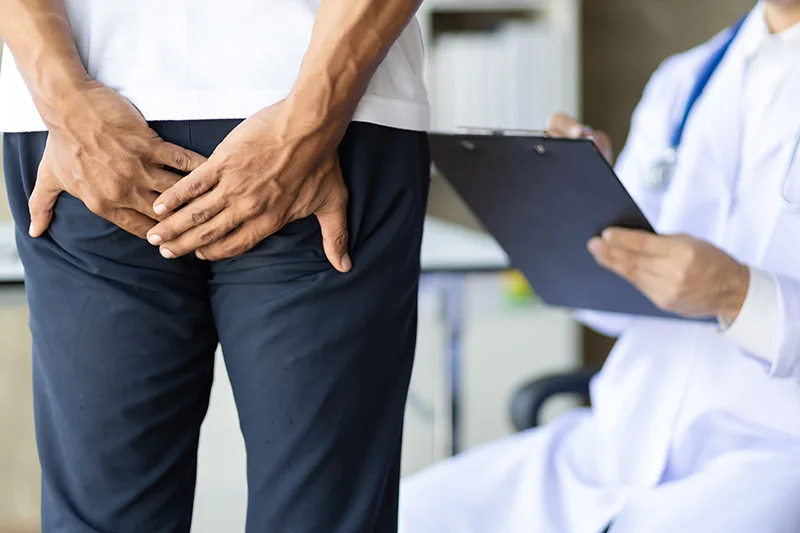
Taking the Right Steps Towards Effective Relief from Piles
While piles can feel uncomfortable and worrying, not all cases require surgery. For many patients with early-stage symptoms, medication and conservative treatment may help manage the condition effectively when started early. If you are unsure, seeking medical advice can help determine the most appropriate treatment approach based on the severity of the symptoms.
Colorectal Practice manages a wide range of colorectal conditions, including complex cases, with access to advanced robotic and laparoscopic surgical techniques alongside a full range of non-surgical treatment options. Dr Dennis Koh leads the practice as medical director and senior consultant colorectal Surgeon, with extensive experience in minimally invasive colorectal surgery, endoscopy and the management of proctological conditions such as haemorrhoids, anal fissures and anal fistulae. He works alongside Dr Sharon Koh, whose subspecialty interests include minimally invasive colorectal surgery, advanced endoscopy and inflammatory bowel disease, and Dr Pauleon Tan, who has experience in both open and minimally invasive colorectal surgery, advanced endoscopic procedures and colorectal cancer prevention.
If you are experiencing persistent piles symptoms or are concerned about whether non-surgical treatment may be suitable for your condition, arrange an appointment with our specialists for further evaluation and personalised management.
FAQs About Piles Treatment
How long does non-surgical piles treatment usually take to work?
The response to treatment varies depending on the severity of the piles and the patient's bowel habits. Some patients notice symptom improvement within days, while others may require ongoing management and follow-up.
Is it safe to exercise if I have piles?
Light to moderate exercise is generally encouraged as it may help improve bowel movements and reduce constipation. However, activities involving heavy straining or prolonged sitting may aggravate symptoms in some patients.
Is non-surgical piles treatment painful?
Conservative treatment is generally aimed at reducing discomfort and managing symptoms without invasive intervention. The experience may vary depending on the severity of the piles and the type of treatment recommended.
At Colorectal Practice, care is centred on thorough assessment, clear communication and treatment tailored to each patient's needs.
Dr Dennis Koh leads our clinical practice as our medical director and senior consultant colorectal surgeon, alongside Dr Sharon Koh, whose practice focuses on minimally invasive techniques, advanced endoscopy and inflammatory bowel disease, and Dr Pauleon Tan, who are experienced in both open and minimally invasive colorectal surgery. Our doctors provide thoughtful colorectal care with attention to both clinical precision and patient reassurance throughout the consultation process.
If you have ongoing bowel symptoms or have been advised to see a colorectal specialist, contact us today to arrange an appointment for further evaluation and management.
Meet Our Team of Specialists