















A colonoscopy is one of the most effective ways to examine the large intestine and detect early signs of colorectal conditions. For most patients, this procedure is straightforward and fast, serving both a diagnostic and preventive role for potential issues in the lower intestine. While it is natural to feel anxious, it is worth noting that this procedure is generally well-tolerated, and patient comfort is closely managed throughout.
Knowing how the process works, from preparation to recovery, can help you approach your colonoscopy with greater confidence and reassurance.
What is a Colonoscopy Meant to Detect?
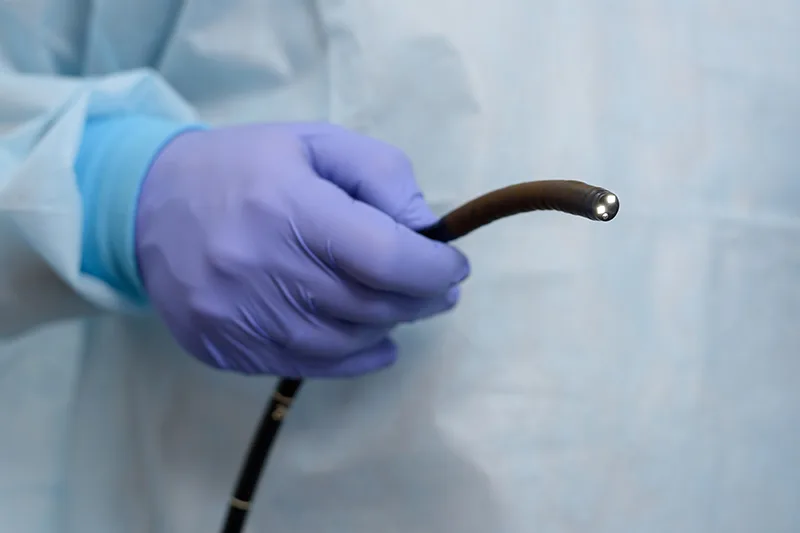
A colonoscopy is a procedure where a flexible tube with a camera and light, known as a colonoscope, is gently inserted into your anus and rectum. This allows doctors to closely examine the lining of the large intestine to identify a range of abnormalities, from early-stage changes to more developed conditions. It plays a key role in both diagnosing symptoms and screening for colorectal disease, even before symptoms appear.
During the procedure, a colonoscopy can detect:
- Colorectal polyps: Polyps are small growths on the inner lining of the colon that may develop into cancer over time if left untreated
- Colorectal cancer: Early-stage cancers may not yet be causing noticeable symptoms, and a colonoscopy may be able to detect visual evidence of cancer development.
- Inflammation of the colon lining: This inflammation may be associated with conditions such as ulcerative colitis or Crohn's disease
- Sources of bleeding: A colonoscopy could visually confirm potential causes of rectal bleeding or unexplained anaemia
- Structural abnormalities: It may be possible to detect abnormalities such as narrowing, diverticula or other changes in the colon
Who Should Consider a Colonoscopy?
A colonoscopy may be recommended as part of routine screening or to investigate specific symptoms. It is commonly advised for individuals aged 50 and above, or earlier for those with higher risk factors. During a consultation with your colorectal specialist, they may suggest that you consider undergoing a colonoscopy procedure if you have:
- Persistent changes in bowel habits, such as diarrhoea or constipation
- Blood in your stool or rectal bleeding
- Unexplained abdominal discomfort, bloating or pain
- Iron-deficiency anaemia without a clear cause
- A personal or family history of colorectal polyps or colorectal cancer
- A history of inflammatory bowel disease, such as Crohn's disease or ulcerative colitis
Preparing for Your Colonoscopy Procedure
In order to ensure that the procedure is successful, you will need to undergo bowel preparation before the procedure. This helps to clear the colon of material and helps increase visibility for the colonoscope, making it possible for your specialist to identify and remove potential polyps. For a few days before your procedure, you will be instructed to consume a low-residue diet. This means avoiding high-fibre foods that are harder to digest, such as whole grains, nuts, seeds and certain fruits and vegetables, and instead opting for easily digestible foods that leave minimal waste in the bowel.
The night or morning before your colonoscopy, you will need to consume a bowel preparation solution. This is a laxative that helps to empty the colon completely. While this step can be uncomfortable for many patients, it is crucial for ensuring that abnormalities are not missed.
Before this preparation step, you will also need to review your medication with your doctor. Certain types of medications, such as blood thinners, iron supplements or diabetes medication may need to be adjusted temporarily.
Lastly, you will be instructed to fast for several hours before the procedure, including avoiding clear fluids within a specified time frame as advised by your clinic, as it may cause complications when undergoing sedation.
What Happens During the Colonoscopy and Polyp Removal Procedure
Once you arrive for a colonoscopy procedure, the medical team will guide you through a check-in process and ensure that you have completed the necessary pre-procedure steps. If you were unable to do so, you may have to perform additional preparation or even reschedule your procedure.
Sedation and Comfort Measures
Before the procedure begins, sedation is administered through a small intravenous line. This helps you feel relaxed and sleepy, and many patients do not recall the procedure afterwards. Throughout the examination, your heart rate, blood pressure and oxygen levels are continuously monitored to ensure safety.
Insertion of the Colonoscope
Once you are comfortably positioned, the colonoscope is gently introduced through the rectum. The instrument is carefully guided along the length of the colon, with the doctor controlling its movement while viewing live images on a screen.
Examination of the Colon Lining
As the scope advances, the colon lining is examined in detail. A small amount of air or carbon dioxide is introduced to expand the colon, allowing for a clearer and more thorough assessment of the intestinal walls.
During this stage, the doctor is carefully looking for any abnormalities in the lining of the colon. This includes identifying polyps, which are small growths that may develop over time, as well as signs of inflammation, ulcers, bleeding or irregular tissue patterns. Subtle changes in colour, texture or structure of the colon lining may also be assessed, as these can indicate early-stage disease that may not yet be causing symptoms.
Detection and Removal of Polyps and Abnormal Tissue
If any polyps or abnormal areas are identified, some can often be addressed immediately during the same procedure. The colonoscope is not only designed for observation, but is capable of treating certain conditions while inserted. There are channels within the tool where specialised instruments can be inserted without needing to remove the scope.
For polyp removal, the doctor may use techniques such as a fine wire loop, known as a snare, to encircle and remove the polyp, or small forceps to retrieve tissue. These instruments are precisely controlled while the doctor views the area in real time on a monitor, allowing for accurate and careful removal.
If needed, small tissue samples, known as biopsies, can also be taken from suspicious areas for further laboratory analysis. This helps confirm the nature of the abnormality and guide any necessary follow-up care.
In addition to polyps, certain conditions such as haemorrhoids can be treated during the procedure through banding techniques. This involves placing a small band around the haemorrhoid to cut off its blood supply, causing it to shrink over time.
By combining both diagnostic and treatment capabilities, a colonoscopy allows many issues to be identified and managed in a single session, reducing the need for additional procedures.
How Long Does Recovery Take?
Recovery after a colonoscopy is usually quick, with most patients able to return home on the same day. After the procedure, you will be monitored for a short period as the effects of sedation wear off. It is common to feel slightly drowsy, so you should rest and avoid driving or making important decisions for the remainder of the day.
You may also experience mild bloating or gas due to the air introduced during the procedure. This typically settles within a few hours as the gas is passed naturally.
If polyps were removed or biopsies were taken, your doctor may provide additional instructions, such as avoiding strenuous activity for a short period.
Take Control of Colorectal Health with Early Detection and Treatment
Given its role in both detection and prevention, undergoing a colonoscopy at the appropriate time can make a meaningful difference to long-term health outcomes. Proper preparation, careful assessment and precise technique all contribute to the effectiveness of the procedure and the reliability of its findings.
At Colorectal Practice, care is tailored to each patient with a focus on clarity, safety and comfort throughout the process. We are equipped to manage a wide spectrum of colorectal conditions, from routine screenings and colonoscopy procedures to more complex surgical cases, with an emphasis on precise diagnosis and patient-centred care.
Our clinical specialists are all experienced colorectal surgeons with combined decades of clinical practice, and with over 30,000 procedures performed. Care is led by Dr Dennis Koh, medical director and senior consultant colorectal surgeon. He is joined by Dr Sharon Koh, whose practice focuses on minimally invasive techniques, advanced endoscopy and the management of inflammatory bowel disease, and Dr Pauleon Tan, who brings extensive experience in both open and laparoscopic colorectal procedures. Contact us today to arrange a consultation and take the next step towards appropriate diagnosis and care.
FAQs About Colonoscopy and Polyp Removal Procedures
Is a colonoscopy painful?
Most patients do not experience pain during a colonoscopy. Sedation is used to keep you comfortable, and many people have little to no memory of the procedure. You may feel mild bloating afterwards, but this usually settles quickly.
How long does the procedure take?
A colonoscopy typically takes between 20–45 minutes. The exact duration may vary depending on whether polyps are found and removed.
Are polyps always cancerous?
No, most polyps are not cancerous. However, some types can develop into colorectal cancer over time. This is why removing them early is an important preventive measure.
Is polyp removal safe?
Polyp removal, also known as polypectomy, is a routine part of colonoscopy and is generally safe. It is performed without the need for external incisions and complications are uncommon.
Meet Our Team of Specialists