
















You should see a colorectal specialist if you experience persistent bowel changes, rectal bleeding, unexplained abdominal pain or symptoms that do not improve with basic care. Early evaluation can help identify serious conditions such as colorectal cancer, inflammatory bowel disease or chronic haemorrhoids.
Many of these symptoms are often dismissed as minor digestive issues or attributed to diet, stress or ageing. While this may be true in some cases, symptoms that persist, recur or gradually worsen are not typical and should be medically evaluated. It is common for colorectal conditions to develop gradually and present subtly before becoming more serious. Recognising these early indicators allows for timely diagnosis, which is especially important for conditions like colorectal cancer, where early detection significantly improves outcomes.
Sign 1: Blood in Your Stool
Blood in your stool may indicate haemorrhoids, anal fissures or more serious conditions such as colorectal cancer. Bright red blood often comes from the lower digestive tract, while darker stools may signal bleeding higher up, although colour can vary depending on transit time and bleeding severity. Any unexplained or recurrent bleeding should be evaluated, especially if it persists beyond a few days or occurs alongside pain, changes in bowel habits or fatigue.
Sign 2: Persistent Changes in Bowel Habits
Ongoing changes in bowel habits lasting more than 2–3 weeks are not normal and should be assessed. This includes persistent diarrhoea, constipation or a noticeable change in stool consistency or shape. While short-term changes may be related to diet or stress, persistent patterns may indicate conditions such as irritable bowel syndrome, polyps or colorectal cancer. Duration and consistency are key indicators of an underlying condition.
Sign 3: Chronic Abdominal Pain or Bloating
Persistent abdominal pain or bloating that does not resolve with basic measures may signal underlying inflammation, obstruction or functional bowel disorders. Pain that is recurrent, worsening or severe enough to affect daily activities should not be dismissed as simple indigestion. When these symptoms occur alongside bowel changes or weight loss, further evaluation by a colorectal specialist is necessary.
Sign 4: Unexplained Weight Loss
Unintentional weight loss without changes in diet or physical activity may indicate an underlying medical condition. When weight loss occurs without a clear reason, it may indicate an underlying condition affecting digestion, absorption, or metabolism. When combined with symptoms such as rectal bleeding or persistent bowel changes, it may point to more serious conditions, including colorectal cancer or chronic inflammatory disease.
Sign 5: Feeling of Incomplete Bowel Emptying
A persistent sensation that you cannot fully empty your bowels may indicate rectal or pelvic floor disorders. This symptom can also be associated with growths, inflammation or functional issues affecting bowel movement. If this feeling occurs frequently or is accompanied by straining, discomfort or changes in stool pattern, a specialist evaluation is recommended.
Why Is It Important to See a Colorectal Specialist Immediately?
It is important to consider seeing a colorectal specialist immediately upon noticing these key signs, because early diagnosis directly improves treatment outcomes and reduces the risk of complications. Symptoms such as rectal bleeding, persistent bowel changes or unexplained weight loss may be associated with a range of conditions, including more serious disease in some cases where its left untreated.
Many colorectal conditions, including early-stage cancer and precancerous polyps, can be managed effectively when detected early. Timely intervention can reduce the need for more invasive procedures and support better long-term health outcomes.
Delaying assessment, on the other hand, increases the risk of these underlying causes worsening, making treatment more complex and less effective.
How Can a Colorectal Specialist Help Diagnose and Treat These Symptoms?
Colorectal specialists can help to diagnose and treat these symptoms by using targeted diagnostic tools and personalised treatment plans. They may be able to identify the cause of symptoms and manage them effectively by:
- Performing colonoscopy and imaging tests for accurate diagnosis
- Identifying early-stage colorectal cancer or polyps
- Managing haemorrhoids, fissures and fistulas
- Treating inflammatory bowel disease with tailored care plans
- Providing minimally invasive surgical options when needed
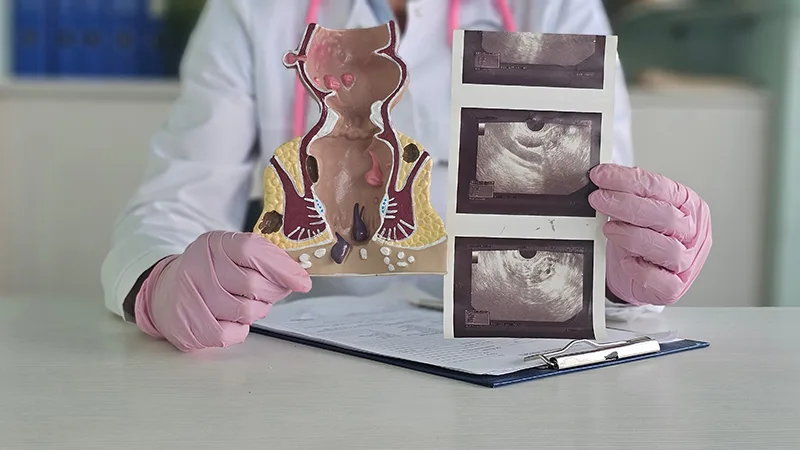
Acting Early on Colorectal Symptoms for Better Health Outcomes
Recognising persistent warning signs such as rectal bleeding, ongoing bowel changes, abdominal pain, unexplained weight loss or a feeling of incomplete emptying can make a meaningful difference to your health. These symptoms may be linked to relatively common conditions, but they can also point to more serious colorectal disease that should not be overlooked.
Rather than waiting for symptoms to worsen, timely review can help you understand the cause of your symptoms and access care that is tailored to your needs. A colorectal specialist can assess your condition accurately and recommend appropriate next steps.
At Colorectal Practice, care is provided with a patient-centred approach by experienced colorectal surgeons with combined decades of clinical practice and more than 30,000 procedures performed.
Dr Dennis Koh leads our clinical practice as our medical director and senior consultant colorectal surgeon, alongside Dr Sharon Koh, whose practice focuses on minimally invasive techniques, advanced endoscopy and inflammatory bowel disease, and Dr Pauleon Tan, who brings extensive experience in both open and laparoscopic colorectal procedures.
Contact us today to arrange a consultation with our specialists and take the next step towards appropriate diagnosis and care.
Meet Our Team of Specialists