















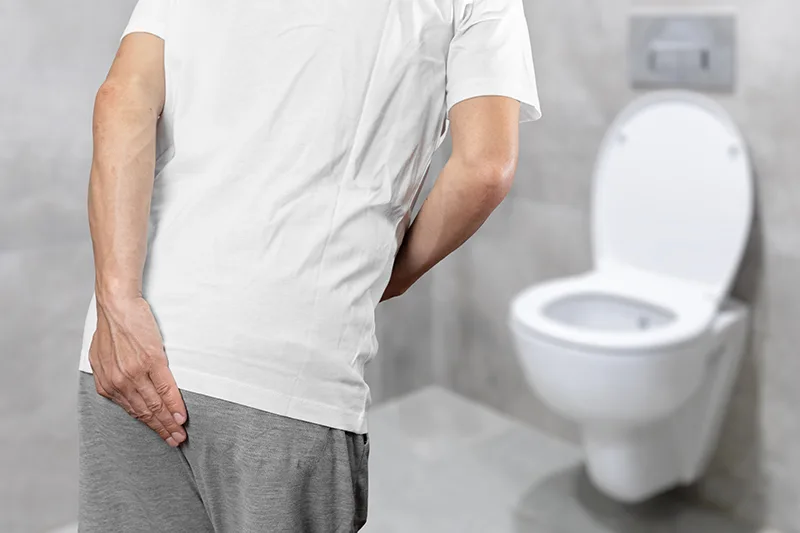
Haemorrhoids are a common condition that can cause symptoms such as bleeding, discomfort, itching and swelling around the anal area. While many cases can be managed with medication and lifestyle changes, some patients may require procedural or surgical treatment when symptoms become more persistent or severe.
Today, there are different surgical approaches available for haemorrhoid treatment, including conventional surgery and newer laser-based techniques. These procedures differ in how they are performed, how much tissue is affected during treatment and the expected recovery experience afterwards. Understanding how these treatment options differ may help patients feel more informed and prepared when discussing surgical management for haemorrhoids with their doctor.
When Is Surgery Recommended for Haemorrhoids?
Many haemorrhoids can be managed with conservative treatment such as medication, dietary adjustments and lifestyle changes. However, surgery or procedural treatment may be considered when symptoms become more severe, persistent or difficult to control with non-surgical measures alone.
Patients may be advised to consider surgical treatment if they experience:
- Frequent or persistent bleeding
- Pain or swelling that affects daily activities
- Prolapsed haemorrhoids that protrude outside the anus
- Recurring symptoms despite previous treatment
- Large haemorrhoids that cause ongoing discomfort or hygiene difficulties
What Is Conventional Haemorrhoid Surgery?
Conventional haemorrhoid surgery, also known as haemorrhoidectomy, is a procedure that removes enlarged haemorrhoidal tissue to relieve symptoms such as bleeding, prolapse and discomfort. It is commonly recommended for patients with larger or more advanced haemorrhoids that may not respond well to conservative treatment or less invasive procedures.
During the procedure, the surgeon removes or reduces the affected haemorrhoidal tissue using surgical instruments. This approach aims to address the underlying swollen tissue directly and may provide long-term symptom relief for more severe cases.
Conventional surgery has been widely used for many years and remains an established treatment option for advanced haemorrhoids, particularly in cases involving significant prolapse or extensive haemorrhoidal tissue.
What Is Laser Haemorrhoid Treatment?
Laser haemorrhoid treatment is a minimally invasive technique that uses targeted laser energy to treat haemorrhoidal tissue with greater precision. Unlike conventional surgery, which involves cutting and removing tissue, laser treatment works by delivering controlled energy to shrink or seal the affected haemorrhoidal vessels while minimising damage to surrounding tissue.
One laser-based technique used in colorectal treatment is FiLaC (Fistula-tract Laser Closure), which applies laser technology through a specialised probe to target tissue in a more controlled manner. In haemorrhoid treatment, similar laser principles may be used to reduce haemorrhoidal tissue while preserving more of the surrounding structures.
Because laser procedures involve a different treatment approach from conventional surgery, the recovery experience may also differ between the two methods. The suitability of laser treatment depends on factors such as the severity, size and characteristics of the haemorrhoids.
Laser vs. Conventional Haemorrhoid Surgery: Key Differences
Both laser and conventional haemorrhoid surgery aim to relieve symptoms caused by enlarged haemorrhoids, but they differ in how the procedure is performed and what patients may experience during recovery.
Surgical Technique
Conventional haemorrhoid surgery involves removing haemorrhoidal tissue through surgical excision. In contrast, laser treatment uses targeted laser energy to shrink or seal the affected tissue with greater precision and less disruption to surrounding structures.
Precision and Tissue Impact
Laser procedures are generally designed to target haemorrhoidal tissue more precisely while preserving more of the surrounding tissue. Conventional surgery may involve a larger treatment area because tissue is physically removed.
Post-Operative Pain
One of the main differences patients often consider is post-operative discomfort. Because laser treatment usually causes less tissue trauma, some patients may experience less pain and irritation during recovery compared to conventional haemorrhoid surgery.
Recovery and Downtime
Recovery experiences can vary depending on the severity of the haemorrhoids and the procedure performed. In general, laser treatment may allow selected patients to return to daily activities sooner, while conventional surgery may involve a longer healing period due to the surgical wounds created during tissue removal.

A Specialist-Guided Approach to Haemorrhoid Surgery
Both laser and conventional haemorrhoid surgery aim to relieve symptoms effectively, but the most suitable option depends on the severity of the haemorrhoids, recovery considerations and individual treatment goals. While laser techniques may be associated with reduced post-operative discomfort for selected patients, conventional surgery may still be recommended for more advanced cases. A proper assessment by a colorectal specialist can help determine which treatment approach is most appropriate for your condition.
At Colorectal Practice, the team is committed to providing personalised care with careful attention to treatment suitability, recovery considerations and patient comfort throughout the treatment process. The practice is led by Dr Dennis Koh, medical director and senior consultant colorectal surgeon, together with Dr Sharon Koh and Dr Pauleon Tan, who are experienced in minimally invasive colorectal surgery, advanced endoscopy and the management of a wide range of colorectal conditions. Arrange for a consultation with our specialists if you are experiencing persistent haemorrhoid symptoms or would like to understand whether laser or conventional haemorrhoid surgery may be more suitable for your condition.
FAQs About Haemorrhoid Surgery
Will I need to stay overnight after haemorrhoid surgery?
Some haemorrhoid procedures may be performed as day surgery, allowing patients to return home on the same day. However, this depends on the type of treatment performed, the patient's overall condition and the doctor's recommendations.
Are laser haemorrhoid procedures suitable for older patients?
Treatment suitability depends more on the patient's overall health, haemorrhoid severity and recovery considerations rather than age alone. A proper medical assessment is important before deciding on the most appropriate procedure.
Can haemorrhoids return after surgery?
Haemorrhoid surgery aims to treat symptomatic haemorrhoids effectively, but recurrence may still occur in some patients over time. Maintaining healthy bowel habits and reducing straining may help lower the risk of recurrence.
Meet Our Team of Specialists