












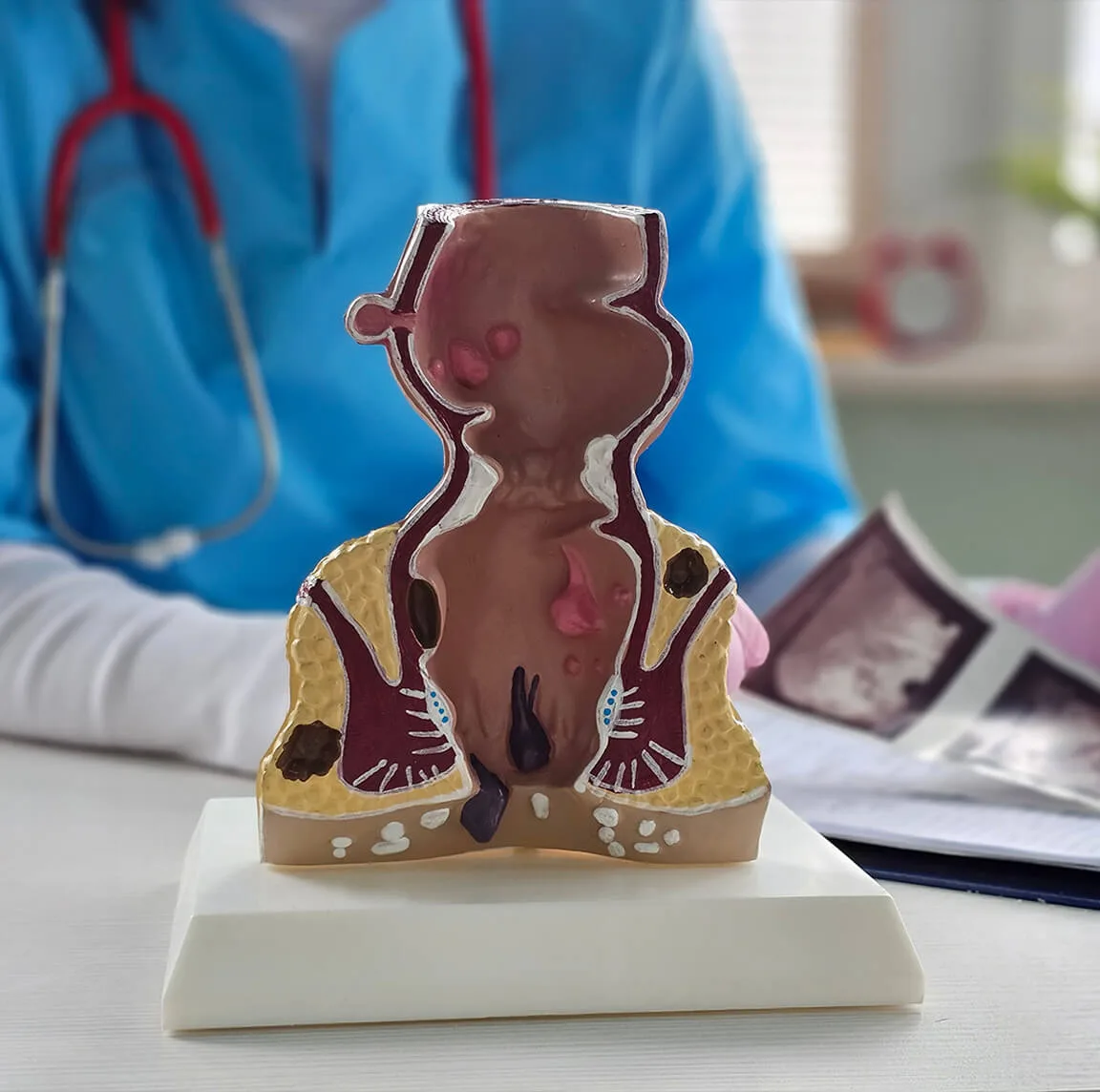
Haemorrhoids, commonly known as piles, are a frequent condition among adults in Singapore. While often manageable with non-surgical haemorrhoid treatments, some cases require medical intervention to relieve persistent symptoms like bleeding, pain, or swelling.
In Singapore, patients have access to numerous qualified colorectal and general surgeons. Selecting a surgeon who understands your specific condition, supports your treatment goals, and prioritises your well-being can significantly impact your recovery journey.
When Is Surgery for Haemorrhoids Necessary?
While many people find relief through dietary changes, increased hydration, and non-surgical treatments, surgery may become necessary when symptoms worsen or persist.
If rectal bleeding persists despite a week of home treatment, it is important to consult a healthcare provider. This is crucial because not all rectal bleeding stems from haemorrhoids. Similar symptoms can also indicate more serious conditions such as colorectal cancer, anal cancer, or inflammatory bowel disease (IBD).
Seek emergency care immediately if you experience:
- Heavy or rapid rectal bleeding
- Dizziness, fainting, or light-headedness
- Severe, unrelenting anal pain or swelling
What Are the Considerations for Choosing a Surgeon?
Choosing the right specialist for haemorrhoid treatment is about finding someone who aligns with your needs, values, and comfort. Take your time, do your research, and do not hesitate to seek a second opinion if needed.
Questions to Ask During the Consultation
Asking the right questions during your consultation empowers you to understand your condition, weigh your options, and make informed decisions about your health. By asking these targeted questions, you will leave your appointment with a clearer understanding.
- What exactly is causing my symptoms?
- How advanced are my haemorrhoids?
- What treatment approach do you recommend, and why?
- Are there non-surgical options I can try first?
- What are the possible risks and benefits of the recommended surgery?
- What is your experience with this type of procedure?
- What should I expect in terms of pain, recovery time, and possible complications?
Red Flags to Watch Out for When Choosing a Surgeon
Some warning signs can hint at poor communication, hidden agendas, or lower quality of care, and spotting them early can save you from unnecessary risks. The following are some of the warning signs that should prompt you to pause and reconsider:
- You Don't Meet the Surgeon Until the Day of Surgery: Ask for a pre-surgical consultation to discuss your case directly with the operating surgeon to understand your treatment plan.
- No Discussion of Treatment Alternatives: A good surgeon should present all viable options, not just surgery, and explain the pros and cons of each.
- Pressure to Book Surgery Quickly: Be wary of any urgent push to schedule without ample time for you to understand and decide.
- Lack of Transparency on Experience and Conflicts of Interest: Your surgeon should openly share their experience with the procedure and disclose any potential conflicts of interest.
- Abrasive or Disrespectful Behaviour: A surgeon should always treat you with respect, answer your questions patiently, and value your input.
- No Flexibility in Diagnostic and Therapy Choices: Medical decisions should be collaborative; a surgeon who offers no flexibility in approach might not be the right fit.
- Dismisses Second Opinions: A confident and ethical surgeon will encourage, not dismiss, your desire to seek a second opinion.
Haemorrhoids can often be managed without surgery, but when symptoms persist or worsen, seeking specialist care is essential. A consultation with a surgeon can provide clarity, relief, and a clear treatment path, but it is just as important to ensure that the surgeon you choose prioritises your well-being.
If you are looking for a compassionate and patient-centred colorectal clinic, consider booking a consultation with Colorectal Practice. For enquiries and appointments, call 6262 1226.