















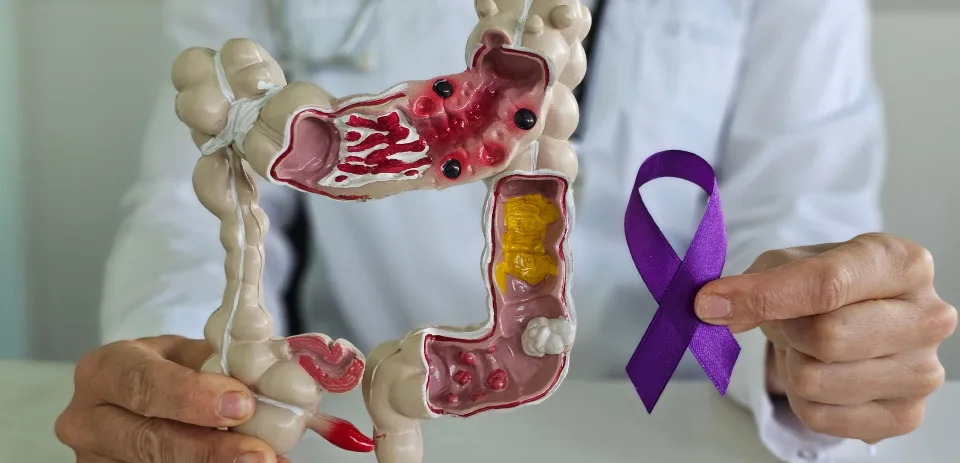
Colorectal conditions can develop gradually and may not cause noticeable symptoms in their early stages. For this reason, waiting until a problem arises is not always the best approach. Screening and appropriate follow-up can therefore play an important role in detecting changes before they cause more obvious problems.
However, the appropriate timing for screening or follow-up is not the same for everyone. How often an assessment is appropriate depends on your individual risk, previous findings and whether you develop symptoms that require further investigation. Some people may only need routine colorectal cancer screening, while others require closer specialist surveillance.
Key Takeaways
- There is no fixed schedule for seeing a colorectal specialist; the appropriate timing depends on your individual risk and clinical history
- Previous polyps, colorectal cancer, family history and certain bowel conditions may require closer surveillance
- Colonoscopy findings can influence when your next screening or surveillance examination is recommended.
- New or persistent bowel symptoms should be assessed rather than waiting for your next scheduled review
How Often Should You See a Colorectal Specialist?
The appropriate timing depends on why you are seeking colorectal care. The table below outlines how follow-up may differ across common clinical situations.
| Situation | Follow-Up Approach |
|---|---|
| Average risk with no symptoms | Routine colorectal cancer screening according to age- and risk-based recommendations. |
| Family history of colorectal cancer or advanced polyps | Earlier screening and, in some cases, more frequent follow-up depending on your family history. |
| Previous colorectal polyps | Surveillance depends on the number, size and type of polyps removed. |
| Previous colorectal cancer | Regular follow-up appointments and surveillance colonoscopies as part of ongoing care. |
| Inflammatory bowel disease or inherited colorectal cancer syndromes | Personalised surveillance plans with more frequent monitoring where appropriate. |
When Should You See a Colorectal Specialist Sooner Than Planned?
A scheduled screening or follow-up interval should not prevent you from seeking an earlier assessment if new or persistent symptoms develop. See a colorectal specialist sooner than planned if you experience:
- Rectal bleeding or blood in your stool
- A persistent change in bowel habits, such as frequent diarrhoea, constipation or a change in stool frequency
- Unexplained weight loss
- Persistent or worsening abdominal pain
- Bowel symptoms that become more frequent or severe

How Does a Colorectal Specialist Personalise Your Follow-Up Schedule?
A colorectal specialist determines follow-up timing by reviewing your previous examination findings alongside your current symptoms and risk profile. The recommended interval may change over time as new information becomes available.
Reviewing Previous Colonoscopy Findings
Previous colonoscopy findings are an important part of determining surveillance intervals. The number, size and characteristics of polyps, whether they were completely removed and the quality of the examination can all influence when another colonoscopy is recommended.
Considering Changes in Symptoms and Health
A previously recommended interval may need to change if you develop new bowel symptoms or if your medical or family history changes. In these situations, the specialist may recommend assessment before your next scheduled review.
Avoiding Unnecessary Surveillance
Follow-up is scheduled according to the likelihood that clinically significant changes could develop between examinations. More frequent colonoscopies are not automatically better; procedures should be performed when the expected benefit justifies the burden and potential risks.
Stay Proactive About Your Colorectal Health at Colorectal Practice
The appropriate timing for colorectal screening and follow-up depends on your individual circumstances. Previous findings, personal risk factors and new symptoms can all affect when further assessment is recommended.
At Colorectal Practice, we are committed to delivering personalised care through the expertise of our experienced surgeons. Our clinical team is led by our medical director and senior consultant colorectal surgeon, Dr Dennis Koh, alongside Dr Sharon Koh and Dr Pauleon Tan, our other senior consultant colorectal surgeons, who work closely with relevant healthcare professionals to ensure treatment recommendations remain patient-centred and evidence-based. Schedule a consultation and take the next step towards appropriate colorectal care.
Frequently Asked Questions (FAQs) About Visiting a Colorectal Specialist
Do I need to see a colorectal specialist if I have no symptoms?
Not necessarily. If you are at average risk and have no symptoms, you may only need to see a colorectal specialist when you become eligible for routine colorectal cancer screening. However, if you have a family history of colorectal cancer, previous polyps or other risk factors, earlier assessment may be recommended.
How often should I have a colonoscopy?
The recommended interval depends on your individual risk and previous colonoscopy findings. People at average risk may require screening less frequently than those with a history of advanced polyps, colorectal cancer or certain medical conditions. Your colorectal specialist will recommend an appropriate follow-up schedule based on your circumstances.
If my previous colonoscopy was normal, do I still need another one?
A normal colonoscopy is reassuring, but it does not mean that new polyps or colorectal disease cannot develop in the future. Whether and when another colonoscopy is recommended depends on your age, risk factors and the reason the original colonoscopy was performed.
Can my follow-up schedule change over time?
Yes. Your screening or surveillance interval may be adjusted if your health changes, you develop new symptoms, a close family member is diagnosed with colorectal cancer or new findings are detected during follow-up. Regular reviews help ensure your care remains appropriate for your current level of risk.
Can I see a colorectal specialist without a referral?
In Singapore, you can generally make an appointment with a colorectal specialist without a referral. However, some insurance plans or healthcare schemes may have specific requirements, so it is advisable to check your coverage before arranging a consultation.
Meet Our Colorectal Specialists in Singapore