














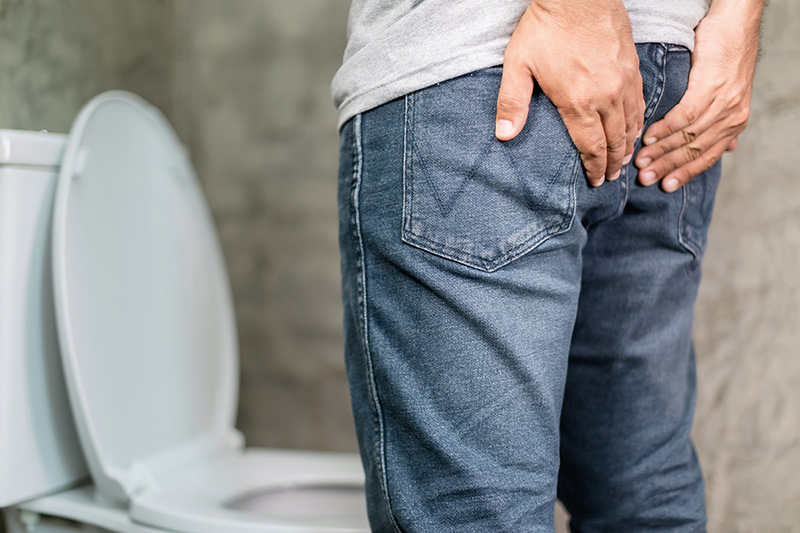
Piles treatment is not limited to medication or procedures. The way you manage your bowel movements and everyday routine can also affect symptom control and the likelihood of further irritation.
These measures do not replace appropriate medical treatment, particularly for more advanced haemorrhoids. Instead, they address everyday pressures that can continue to affect the anal area before, during and after treatment. In this article, we explain how lifestyle habits can support piles treatment and longer-term management.
Key Takeaways
- Straining and difficult bowel movements can aggravate haemorrhoids
- Fibre and adequate hydration can support softer stools
- Regular movement can support healthy bowel function
- Lifestyle changes should complement, not replace, appropriate medical treatment
How Do Bowel Habits Affect Treatment Results?
Bowel habits can directly influence the pressure placed on haemorrhoidal tissue and how easily stools are passed. Certain patterns may continue to aggravate the area despite piles treatment.
Straining Can Work Against Treatment
Repeated straining increases pressure within the anal canal, which can continue to stress haemorrhoidal tissue while treatment is trying to control the condition. This can make symptoms harder to settle and may contribute to further prolapse in susceptible patients.
Incomplete Emptying Can Sustain the Problem
Frequently feeling that you have not completely emptied your bowels can lead to repeated toilet visits and additional straining. If this occurs even when stools are soft, an underlying defecation problem may need assessment rather than simply increasing fibre or using laxatives.
Irregular Bowel Patterns Can Affect Symptom Control
Both constipation and frequent loose stools can aggravate the anal area in different ways. Constipation increases the likelihood of hard stools and straining, while repeated diarrhoea can cause irritation and frequent wiping. Managing persistent changes in bowel pattern can therefore form part of haemorrhoid treatment.
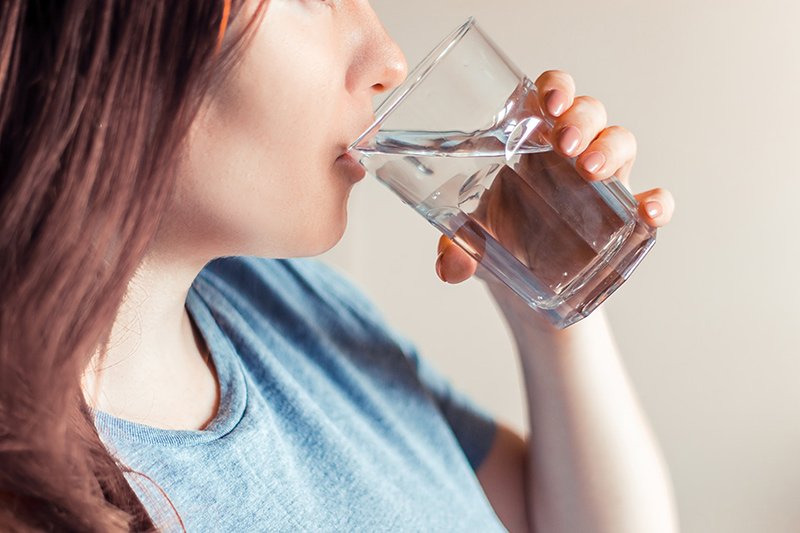
How Do Diet and Hydration Affect Haemorrhoids?
Diet and fluid intake influence stool consistency, which in turn affects how easily you can empty your bowels.
Include Enough Dietary Fibre
Fibre adds bulk and helps stool retain water, supporting softer and more regular bowel movements. Sources include vegetables, fruit, wholegrains, beans, lentils, nuts and seeds.
Increase fibre gradually if your current intake is low, as a sudden increase can cause bloating or abdominal discomfort.
Maintain Adequate Hydration
Drinking enough fluid helps fibre work effectively and reduces the likelihood of dry, hard stools. Fluid requirements vary according to your health, activity level and environment.
If you have been advised to restrict fluids for another medical condition, follow your doctor's recommendations.
What Role Does Exercise Play in Piles Management?
Physical activity can support bowel function, but the type and intensity of exercise also matter during piles treatment.
- Regular movement: Activities such as walking can support bowel regularity and reduce prolonged periods of inactivity
- Heavy lifting: Lifting heavy loads can increase abdominal pressure, particularly when accompanied by straining or breath-holding
- Exercise after treatment: Following a procedure or surgery, strenuous activity may need to be temporarily limited. Your surgeon can advise when it is appropriate to return to your usual exercise routine
Supporting Better Outcomes From Piles Treatment
Effective piles management extends beyond addressing a single flare-up. Improving the everyday conditions surrounding bowel movements can complement medical treatment and support a more sustainable approach to managing haemorrhoids.
If lifestyle changes alone are not providing sufficient relief, Colorectal Practice, a colorectal clinic in Singapore, provides assessment and treatment for haemorrhoidal conditions. Medical Director and Senior Consultant Colorectal Surgeon Dr Dennis Koh works alongside Senior Consultant Colorectal Surgeons Dr Sharon Koh and Dr Pauleon Tan to recommend care based on your symptoms and individual needs. Arrange a consultation to discuss how medical treatment and appropriate lifestyle measures can form part of your management plan.
FAQs About Lifestyle and Piles Treatment
Can sitting at a desk all day make piles worse?
General sitting is different from prolonged sitting on the toilet, but long periods of inactivity may contribute to constipation in some people. Taking regular movement breaks can support bowel function and reduce extended sedentary periods.
Are fibre supplements as effective as dietary fibre?
Fibre supplements can be useful when you struggle to obtain enough fibre from food alone. The appropriate type and amount can vary, particularly if you have other bowel symptoms, so discuss regular supplementation with your doctor if needed.
Should I avoid coffee when undergoing piles treatment?
Coffee does not need to be routinely avoided by everyone with haemorrhoids. However, caffeine can affect bowel habits differently between individuals, so consider whether it consistently triggers diarrhoea, urgency or digestive discomfort for you.
Meet Our Colorectal Specialists in Singapore