











Mount Elizabeth Medical Centre, Singapore 228510



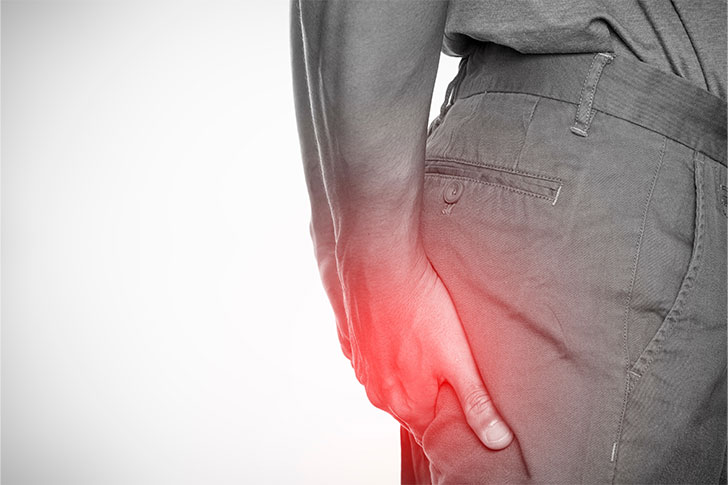
Chinese New Year is a time for feasting, visiting loved ones and celebrating late into the night. But for some people, it can also be the season when piles (haemorrhoids) suddenly flare up. With an overload of rich festive foods, spicy dishes, alcohol and a disrupted daily routine, it is easy to become constipated or strain during bowel movements, which can worsen swelling and discomfort. The good news is that most pile flare-ups can be managed with simple lifestyle adjustments and home remedies, even during the busiest holiday period. Understanding what triggers them can make it much easier to enjoy the celebrations without constant discomfort.
What Are Piles and Why Do Flare-ups Happen?
Piles, also known as haemorrhoids, are swollen blood vessels located in and around the anus or lower rectum. They can develop internally (inside the rectum) or externally (around the anus). While they are common, they can become extremely uncomfortable when inflamed. During a flare-up, symptoms may include itching, pain, swelling, a lump near the anus or bleeding during bowel movements.
Piles typically worsen when there is increased pressure in the rectal area. This often happens due to constipation, straining when passing stool, prolonged sitting on the toilet or frequent diarrhoea. When stool becomes hard and difficult to pass, the body naturally strains more, causing these veins to swell further and leading to irritation.
How Can I Prevent Piles During Chinese New Year?
Chinese New Year can unintentionally create the perfect conditions for flare-ups. Festive meals are often richer and heavier than usual, with more fried foods, meats, spicy dishes, and sweet treats that are low in fibre. Combined with late nights, lower water intake and reduced physical activity, digestion can slow down, making constipation more likely. Long hours of visiting, travelling or sitting through reunion dinners can also increase pressure on the pelvic area, further aggravating piles.
Here are a few practical ways to reduce the chances of a flare-up:
- Increase fibre intake: Fibre helps soften stool and reduce straining. Balance festive dishes with vegetables, fruits and whole grains whenever possible.
- Choose “festive snacks” wisely: Popular treats like pineapple tarts, bak kwa and fried snacks are often low in fibre. Pair them with fibre-rich options like fresh fruit.
- Stay well-hydrated: Dehydration makes stools harder. Drink water consistently, especially if you’re having alcohol, tea or sweet drinks.
- Keep moving throughout the day: Sitting for long hours during visits, mahjong sessions, or travel can worsen pressure and slow digestion. Even short walks can help.
- Avoid ignoring the urge to go: Holding in bowel movements may lead to harder stools later, making flare-ups more likely.
Home Remedies for Flare-up Symptoms
Even with the best precautions, flare-ups can still happen, especially after a few days of heavy meals and disrupted routines. The good news is that most mild to moderate piles symptoms can be managed at home with simple, supportive measures aimed at reducing swelling, easing discomfort and preventing further irritation.
- Take warm sitz baths: Soaking the anal area in warm water for 10–15 minutes, especially after bowel movements, can help relax the muscles, improve blood flow and soothe irritation.
- Use topical treatments cautiously: Over-the-counter creams or suppositories may help relieve itching, swelling and discomfort. However, they should only be used for short-term relief and according to the product instructions.
- Avoid straining during bowel movements: Give yourself time, but avoid sitting on the toilet for prolonged periods. Straining increases pressure on the swollen veins and can worsen symptoms.
- Apply cold compresses if needed: A wrapped cold pack applied gently to the area can help reduce swelling and provide temporary relief.
- Maintain soft stools: Continue drinking plenty of water and increasing fibre intake to prevent further irritation from hard stools.
While these measures can provide relief, symptoms such as persistent bleeding, severe pain or swelling that does not improve over time should not be ignored. If discomfort continues beyond a few days or interferes with daily activities, it may be time to consult a doctor for further evaluation and treatment.
When to Seek Professional Help
While many flare-ups settle with home care, some symptoms require medical evaluation especially if they are persistent, severe or unusual. It is important not to dismiss ongoing discomfort as other colorectal conditions can present with similar symptoms.
You should consider seeing a doctor if you experience:
Persistent or Heavy Rectal Bleeding
Occasional spotting may occur with piles, but ongoing or significant bleeding should always be assessed.
Severe Pain or Swelling
Intense pain could indicate a thrombosed (clotted) external haemorrhoid or another condition that may require treatment.
Symptoms That Do Not Improve After Several Days
If home remedies and dietary adjustments are not helping, medical intervention may be needed.
Recurrent Flare-ups That Affect Your Quality of Life
Frequent episodes may signal the need for more definitive treatment rather than repeated short-term relief.
Depending on the severity, a doctor may recommend office-based procedures such as rubber band ligation, medication or other minimally invasive treatments. In more advanced cases, surgical options may be discussed. Seeking timely medical advice not only relieves symptoms more effectively but also ensures that more serious conditions are ruled out.
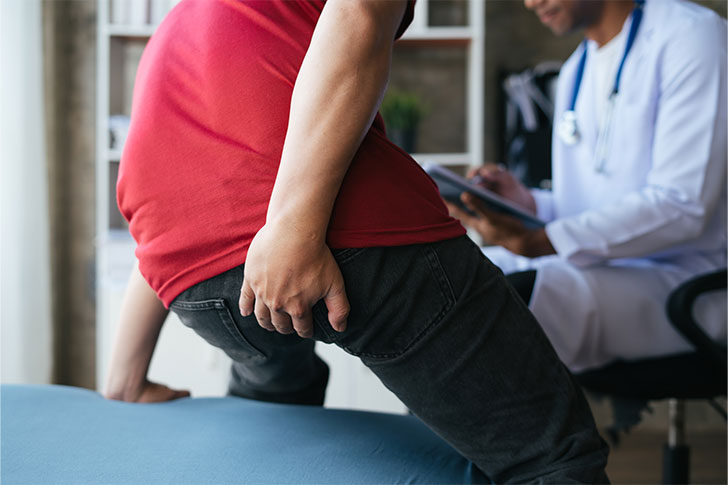
New Year, Better Habits: Long-term Care for Piles
Chinese New Year is a time of renewal, making it the perfect opportunity to reset your daily habits. By maintaining a fibre-rich diet, staying hydrated, and keeping regular bowel habits, you can significantly reduce the risk of future flare-ups. Small, consistent lifestyle changes can go a long way in keeping piles under control throughout the year.
Colorectal Practice is a specialist colorectal clinic dedicated to personalised care for a full range of colorectal conditions, from haemorrhoids to colon and rectal cancer, using both surgical and non-surgical approaches. The practice is led by Dr Dennis Koh, Medical Director and Senior Consultant Colorectal Surgeon trained in the UK and Singapore; Dr Sharon Koh, who specialises in minimally invasive surgery, advanced endoscopy and inflammatory bowel disease; and Dr Pauleon Tan, who is experienced in both open and laparoscopic colorectal procedures. Schedule a consultation with us for piles flare-up treatment or prevention guidance.
Meet Our Team of Specialists