












Mount Elizabeth Medical Centre, Singapore 228510
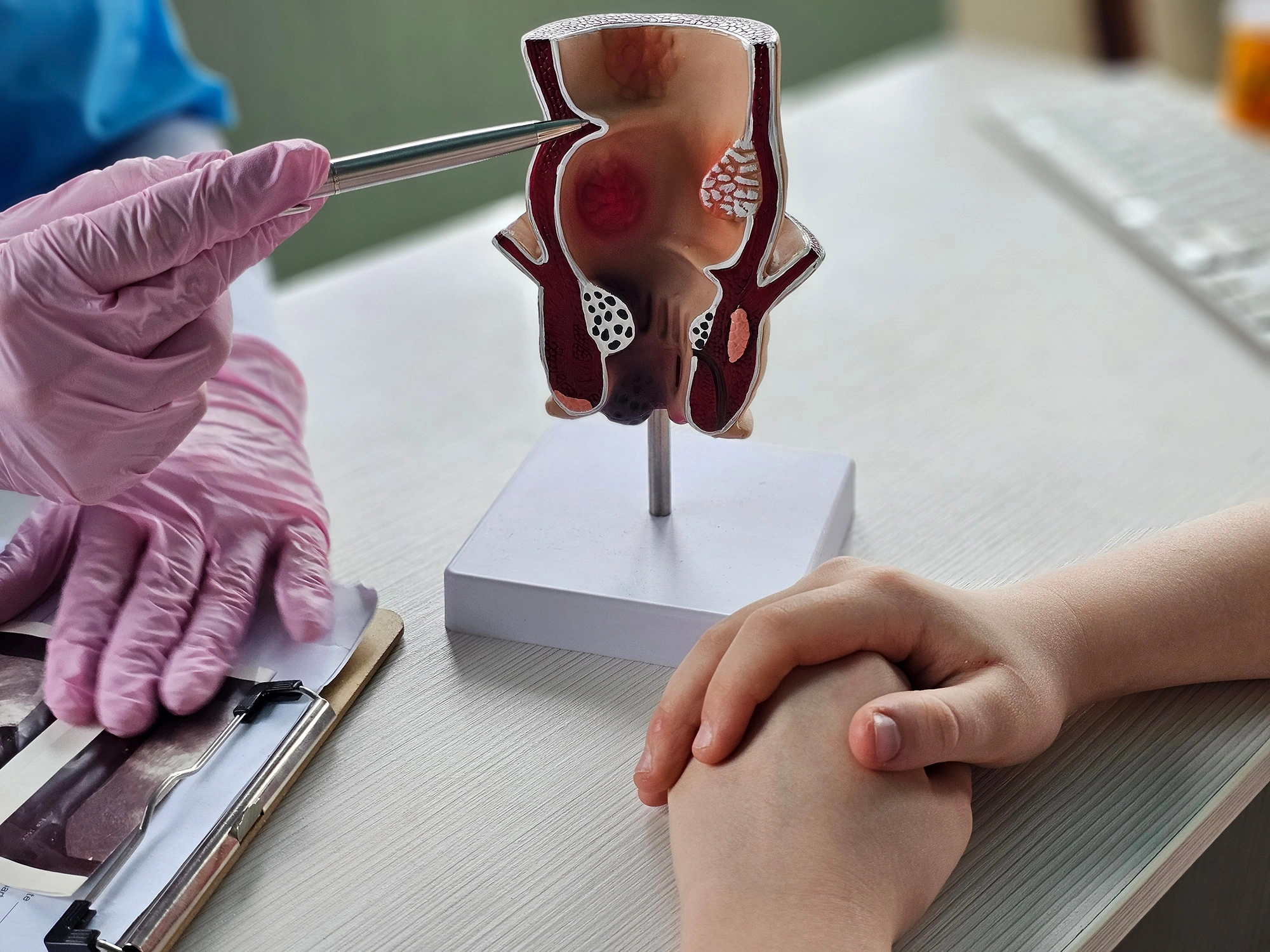
Caring for your colorectal health is an important part of maintaining overall well-being, yet many people are unsure when they should consider a colonoscopy or why the procedure matters. A colonoscopy provides a clear view of the colon and rectum, allowing doctors to identify early changes that may not cause symptoms. It is also one of the most reliable methods for detecting colorectal cancer at an early, more treatable stage.
By identifying issues early and enabling timely treatment, routine screening supports long-term digestive health and reduces the risk of serious complications. Staying up to date with recommended colonoscopy screening allows individuals to take a proactive, informed approach to their colorectal care.
What Symptoms Warrant a Colonoscopy?
While colonoscopy is routinely advised for adults aged 50 and above, it is equally important as a diagnostic tool when certain symptoms arise. You may be advised to undergo a colonoscopy if you experience any of the following:
- Diarrhoea or constipation that lasts for more than a few weeks.
- Blood in the stool or black, tarry stools.
- Unexplained persistent abdominal pain, bloating or discomfort
- Unexplained weight loss or fatigue
- Family history of colorectal cancer or prior polyps.
These symptoms do not always indicate colon cancer, but they should prompt further investigation to identify possible causes such as polyps, inflammation or other gastrointestinal conditions.
When to Get Screened Based on Colorectal Cancer Risk Level
Screening timelines for colon cancer vary among individuals. Factors such as your age, medical history, and family background help determine when you should begin screening and the appropriate interval between tests. If polyps or other changes are detected during your first colonoscopy, your doctor may also recommend additional follow-up at shorter intervals.Average Risk
The average-risk group includes adults aged 50 and above who have no symptoms, no family history of colon cancer, and no personal history of colon-related conditions. Colonoscopy is generally recommended every 10 years for these individuals, offering regular screening at a reasonable interval unless your doctor advises otherwise.
High Risk
People at high risk of colorectal cancer include those with a strong family history of the disease or a personal history of colorectal polyps or cancer. This includes having a first-degree relative diagnosed before age 60 or multiple affected relatives.
Because of this increased risk, screening usually starts earlier and is done more often. Colonoscopy is typically recommended from age 40 or 10 years before the youngest diagnosis, whichever comes first, and repeated every five years. If a relative was diagnosed after age 60, screening can usually begin at age 50 and continue every 10 years.
Those with a personal history of polyps or colorectal cancer may need colonoscopy every one to three years, depending on prior findings.
Very High Risk
Individuals at very high risk, such as those with inherited conditions like familial adenomatous polyposis (FAP) or Lynch syndrome, will require earlier and more frequent surveillance.
According to the Health Hub Singapore, flexible sigmoidoscopy is recommended for individuals with a history of FAP starting around age 10 to 12 and should be done annually. For Lynch syndrome, colonoscopy typically begins between the ages of 20 and 25, repeated every one to two years. People with inflammatory bowel disease should begin screening 8 to 15 years after diagnosis, depending on the extent of disease, with follow-up every one to two years.
Other Conditions a Colonoscopy Can Detect
A colonoscopy does more than screen for cancer. It can also identify other conditions that may explain symptoms or require ongoing care:
- Precancerous polyps: These small growths develop along the lining of the colon or rectum and often cause no symptoms. Identifying and removing them during the procedure helps prevent them from progressing into cancer, making polyp detection an important part of colonoscopy’s preventive role.
- Inflammatory bowel disease (IBD): The most common forms of IBD are ulcerative colitis and Crohn’s disease, both of which can lead to chronic inflammation in the colon. A colonoscopy allows doctors to examine the affected areas directly, assess the severity of inflammation, and take tissue samples to confirm the diagnosis and guide ongoing management.
- Internal haemorrhoids: These swollen veins inside the rectum may cause bleeding, itching, or discomfort. During a colonoscopy, the rectal lining is examined closely, which helps distinguish internal haemorrhoids from other causes of rectal bleeding and clarify whether they may be contributing to symptoms.
- Diverticular disease: This includes diverticulosis, where small pouches form in the colon wall, and diverticulitis, when these pouches become inflamed. Once acute inflammation has settled, a colonoscopy can help identify these structural changes.
Receive Expert Diagnosis and Care at Colorectal Practice
Colonoscopy plays a vital role in protecting colorectal health through early detection and timely treatment. It helps identify colorectal cancer at a more treatable stage, remove precancerous polyps, and diagnose conditions such as inflammatory bowel disease, haemorrhoids, and diverticular disease. By following screening recommendations based on individual risk, people can reduce complications, support long-term digestive health, and take a proactive approach to preventive care.
Colorectal Practice is here to support your colorectal health at every stage, from risk assessment and screening to diagnosis and ongoing care. If you have symptoms, a family history of colorectal conditions, or questions about when to begin screening, our specialists can provide personalised guidance. Schedule a consultation today to take a proactive step towards prevention and long-term digestive health.
About Our Colonoscopy Specialists
Our team of colorectal surgeons, led by Dr Dennis Koh, provides comprehensive care for patients undergoing colonoscopy. With over 60 years of combined experience, we are highly skilled in performing advanced diagnostic and therapeutic colonoscopies in Singapore. Each procedure is tailored to ensure patient comfort, accurate results, and timely follow-up care.