












Mount Elizabeth Medical Centre, Singapore 228510



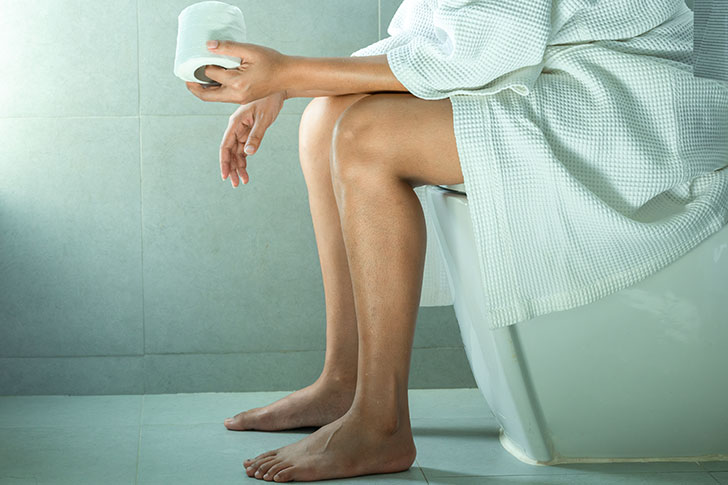
The festive season is meant to leave you with happy memories, not lingering digestive discomfort. However, many people notice changes in their bowel habits after Chinese New Year, from constipation to frequent loose stools. These shifts are often caused by sudden dietary changes, overeating and disrupted routines. While temporary digestive upset is common, persistent symptoms should not be ignored. Understanding the difference can provide reassurance and help you take timely action.
Why Bowel Habits Often Change After Chinese New Year
It is common for bowel habits to feel different after Chinese New Year, especially after several days of rich food and irregular routines. Festive meals are often heavier and lower in fibre, which can lead to harder stools and constipation. Alcohol and sugary drinks may also cause dehydration, which can further slow digestion.
Late nights and disrupted sleep can affect how smoothly your gut functions, making bowel movements less predictable. Long hours of sitting during visits or travel, along with reduced physical activity, can also slow bowel movements. Some people may even delay using the toilet while out, which can contribute to irregularity. Together, these factors can temporarily disrupt normal bowel patterns after the festive season.
What Are Some Common Bowel Changes?
After several days of indulgence, it is not unusual to notice changes in your bowel habits. In most cases, these symptoms are temporary and improve once your diet and routine return to normal.
Constipation
A sudden drop in fibre intake, dehydration and reduced activity can slow bowel movements. You may find yourself passing hard stools, straining more, or going less frequently than usual.
Diarrhoea or Loose Stools
On the other hand, rich, oily or spicy foods, along with alcohol, can irritate the digestive tract. This may lead to loose stools or more frequent trips to the toilet, especially in those with sensitive digestive systems.
Bloating and Gas
Overeating, carbonated drinks and high-fat foods can cause excess gas build-up. This often leads to abdominal discomfort, fullness and increased flatulence.
Changes in Stool Colour or Frequency
Dietary changes can temporarily affect stool appearance. For example, darker stools may result from certain foods, while eating less may reduce how often you pass stools. However, significant or persistent changes should be monitored closely.
What Are the Warning Signs You Should Not Ignore?
While most post-festive bowel changes are temporary, certain symptoms should not be dismissed as simply “overeating”. If digestive issues persist or feel unusual, it is important to seek medical advice to rule out any underlying conditions.
Persistent Constipation or Diarrhoea
If your bowel habits do not return to normal after adjusting your diet and routine, it may signal inflammation, infection or another digestive disorder.
Blood in Stool or Black Stools
Fresh red blood or dark, tarry stools should always be evaluated by a doctor. While causes can range from piles to ulcers, these symptoms require proper medical assessment.
Unexplained Weight Loss or Fatigue
Losing weight without trying or feeling unusually tired could indicate nutrient malabsorption, chronic blood loss or more serious gastrointestinal conditions.
Severe Abdominal Pain or Vomiting
Intense or worsening pain, especially if accompanied by vomiting, may point to bowel obstruction, infection or other urgent issues.
Sudden Change in Bowel Habits, Especially in Adults Over 40
A noticeable and persistent change in stool frequency, consistency or pattern, particularly in those over 40, should be checked, as it may be an early sign of colorectal disease.
When in doubt, it is always safer to seek medical evaluation. Early assessment can provide reassurance and allow for timely treatment if needed.
When to See a Doctor and What to Expect
If your bowel habits have not returned to normal after one to two weeks, or if you notice warning signs such as bleeding, persistent pain or unexplained weight loss, it is important to seek medical evaluation. While many digestive changes are harmless, ongoing or unusual symptoms may require further assessment to rule out conditions such as infections, inflammatory bowel disease or colorectal disorders.
During a consultation, your doctor will first ask about your symptoms, diet, medical history and any recent changes in lifestyle. A physical examination may be performed and depending on your symptoms, additional tests may be recommended. These can include stool tests to check for infection or blood, imaging scans or a colonoscopy to examine the inner lining of the colon more closely.
Although these investigations may sound worrying, they are often done as a precautionary measure. Early detection allows many colorectal conditions to be treated effectively. In many cases, the results simply provide reassurance that nothing serious is present. Seeking timely medical advice helps you move forward with greater confidence and peace of mind.

Protect Your Bowel Health in the Year Ahead
Changes in bowel habits after Chinese New Year are common and most symptoms will improve once your diet and routine return to normal. However, persistent symptoms or warning signs such as bleeding and severe pain should never be ignored. When in doubt, a timely check-up can provide reassurance and help protect your long-term digestive health.
Colorectal Practice provides personalised care for a wide range of digestive and bowel conditions, including changes in bowel habits, constipation and colorectal cancer. The clinic is led by Dr Dennis Koh, Medical Director and Senior Consultant Colorectal Surgeon, who received specialist training in the UK and Singapore. He is supported by Dr Sharon Koh, who specialises in minimally invasive surgery, advanced endoscopy and inflammatory bowel disease, and Dr Pauleon Tan, who is experienced in both open and laparoscopic colorectal procedures and has undergone additional training in Japan. If you are experiencing persistent bowel changes or concerning symptoms after Chinese New Year, schedule a consultation with our specialists for a proper assessment and added peace of mind.
Meet Our Team of Specialists