












Mount Elizabeth Medical Centre, Singapore 228510



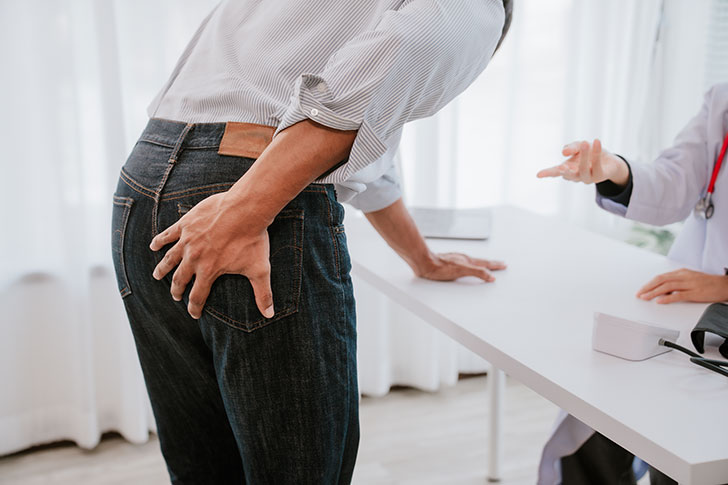
If there is no bleeding, there is nothing to worry about, right? Not always. Anal pain or discomfort without bleeding is actually quite common and can stem from issues such as muscle spasms, constipation, skin irritation, haemorrhoids or even early infections. In some cases, the pain may be sharp and sudden while in others it can feel like a dull ache, tightness or burning sensation that lingers throughout the day.
Although many cases improve with simple care and lifestyle adjustments, persistent, recurring or worsening pain should not be ignored. Understanding the possible causes can help you take the right next step, whether that means home management or seeking professional evaluation for reassurance.
Is Anal Pain Without Bleeding Common?
Anal pain without bleeding is more common than many people realise. While bleeding is often seen as a major warning sign, not all anal or rectal conditions cause visible blood. In fact, discomfort can occur simply from muscle tension, constipation, prolonged sitting or irritation of the sensitive skin around the anus.
In many cases, the discomfort is mild and temporary. It often improves within a few days with better hydration, fibre intake and gentle care. However, pain that is severe, persistent, recurrent or accompanied by swelling, fever, discharge or a noticeable lump should not be ignored. While most causes are not serious, ongoing symptoms deserve proper evaluation to rule out an infection, an abscess or other underlying conditions.
What Are Some Common Causes of Anal Pain Without Bleeding?
Anal pain without bleeding can arise from several conditions, many of which are treatable and not serious. Because the anal area contains many sensitive nerves, even minor irritation or pressure can cause noticeable discomfort.
One of the most common causes is constipation and excessive straining. Passing hard stools can stretch and irritate the anal canal, leading to soreness or a lingering ache even if there is no visible blood. Similarly, prolonged sitting at work or on the toilet can increase pressure in the area and trigger discomfort.
Haemorrhoids (piles) can also cause pain without bleeding, especially when they become swollen or thrombosed (when a small clot forms inside the haemorrhoid). External haemorrhoids may feel like a tender lump near the anus, causing pain when sitting or during bowel movements.
Another possibility is an anal fissure. While fissures often cause bleeding, some may present mainly with sharp pain during or after passing stool.
Skin-related issues such as eczema, fungal infections, or irritation from excessive wiping can lead to burning, itching and soreness. In some people, sudden episodes of intense rectal pain may be due to muscle spasms in the pelvic floor, a condition sometimes called proctalgia fugax.
What Are Some Less Common but Possible Causes?
While most anal discomfort without bleeding is due to minor issues, there are less common conditions that may require prompt medical attention. Especially if symptoms are persistent, worsening or recurring.
Anal abscess (infection)
This is a pocket of infection near the anus that can cause constant, throbbing pain. It may also be associated with swelling, warmth, tenderness, fever, or a general feeling of being unwell.
Anal fistula
A fistula is an abnormal tunnel that can form after an abscess. It may cause recurring pain, swelling, irritation, or intermittent discharge, even without obvious bleeding.
Inflammatory Bowel Disease
Conditions such as Crohn’s disease can cause inflammation around the anal area, leading to discomfort, fissures, ulcers or pain that comes and goes.
Sexually transmitted infections
Certain infections can affect the anal region and cause soreness, irritation, discharge or pain. Bleeding may not always be present, especially in the early stages.
Growths or tumours (rare)
Although uncommon, persistent anal discomfort may occasionally be linked to abnormal growths in the anal canal or rectum, including colon cancer or rectal cancer. This is rare, but should be ruled out if symptoms do not improve or occur alongside warning signs such as bleeding or changes in bowel habits.
When to See a Colorectal Specialist
Although mild anal discomfort often improves with home care, you should consider seeing a colorectal specialist if the pain is persistent, recurring or affecting your daily activities. It is especially important to seek medical attention if symptoms worsen over time or do not improve after a few days.
Seek medical attention if you notice any of the following:
- A lump near the anus
- Increasing swelling
- Fever or feeling unwell
- Pus-like discharge
- Severe pain during bowel movements
- Pain that occurs even at rest
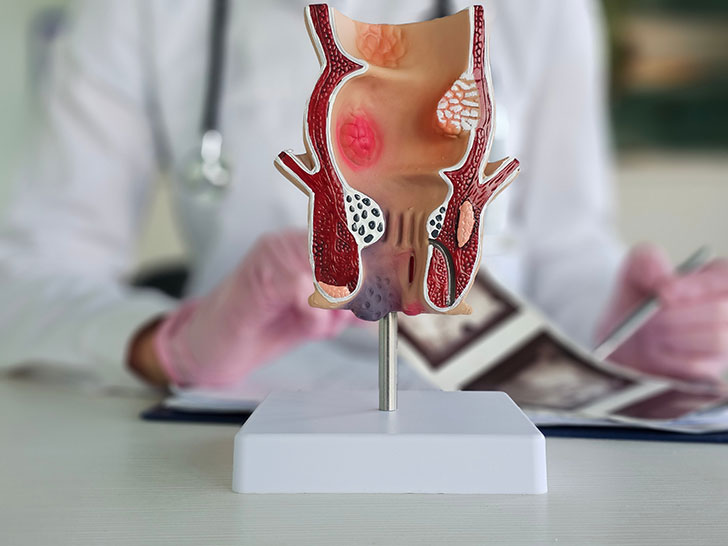
During a consultation, the specialist will take a detailed history of your symptoms and bowel habits, followed by a physical examination. Depending on the findings, further evaluation may include a digital rectal examination, anoscopy (to inspect the anal canal), or other investigations such as a colonoscopy or imaging scans if needed. While this may sound intimidating, these assessments are usually quick and are done to identify the cause accurately.
Protecting Your Colorectal Health With Colorectal Practice
Anal pain without bleeding is common and often caused by minor issues such as constipation, irritation or muscle spasms. However, persistent or worsening discomfort should not be ignored, as it may signal an underlying infection or colorectal condition. With early assessment, most causes can be treated effectively and with minimal disruption.
At Colorectal Practice, care is centred on comprehensive evaluation and both non-surgical and minimally invasive treatment options tailored to each patient. The clinic is led by Dr Dennis Koh, Medical Director and Senior Consultant Colorectal Surgeon, who has extensive experience in colorectal surgery and advanced endoscopy; Dr Sharon Koh, Senior Consultant Colorectal Surgeon with subspecialty expertise in minimally invasive surgery, advanced endoscopy and inflammatory bowel disease; and Dr Pauleon Tan, Senior Consultant Colorectal Surgeon trained locally and in Japan, with strong experience in minimally invasive colorectal surgery and colorectal cancer screening. If you are experiencing persistent anal pain or discomfort, schedule a consultation for an accurate diagnosis and appropriate care.
Meet Our Team of Specialists