












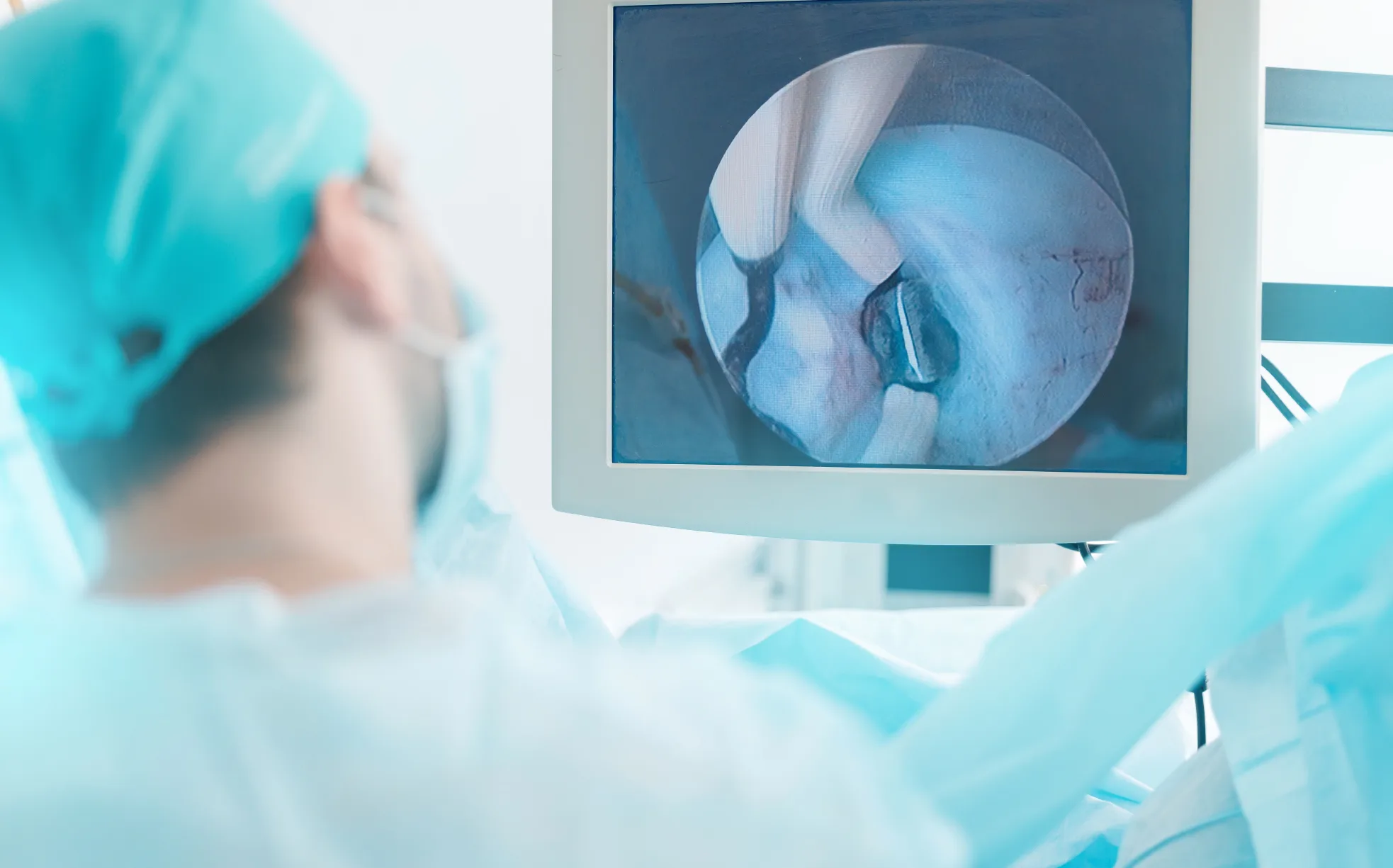
How Are High-Risk Adenomas Identified During Colonoscopy?
Colonoscopy plays an important role in colorectal cancer prevention by detecting and removing precancerous polyps. However, not all polyps carry the same risk of progressing to cancer.
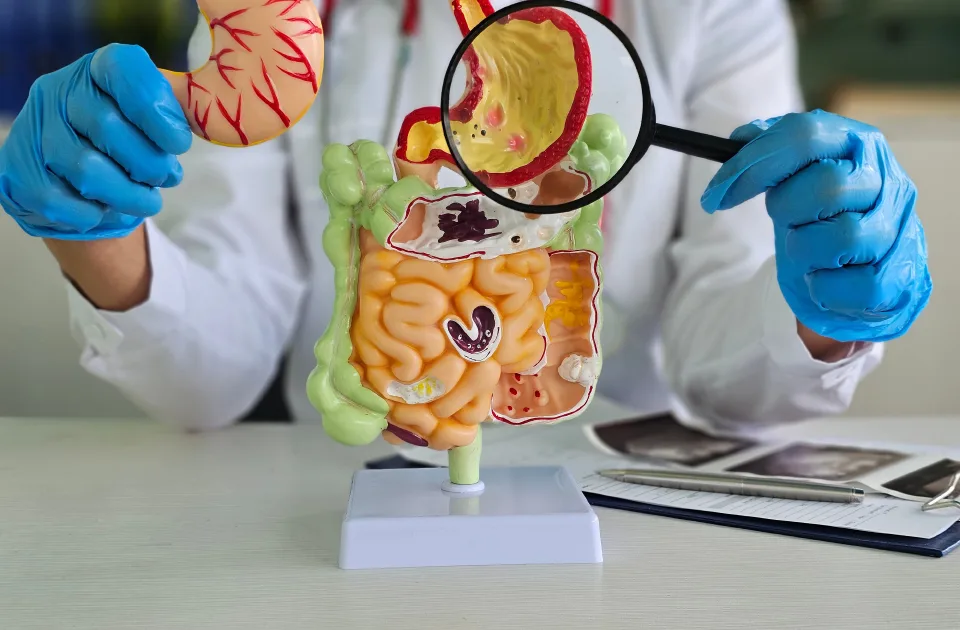
Colorectal Cancer Surgery: How the Right Treatment Is Chosen
Colorectal cancer treatment depends on the location and stage of the tumour as well as the patient’s overall health and treatment needs. Surgery plays an important role in the treatment of many localised colorectal cancers.
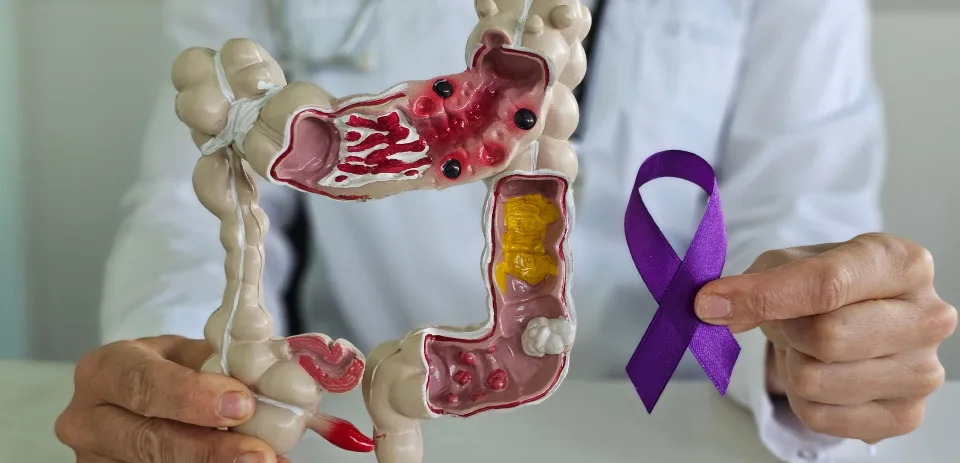
How Often Should You See a Colorectal Specialist?
Colorectal conditions can develop gradually and may not cause noticeable symptoms in their early stages. For this reason, waiting until a problem arises is not always the best approach.
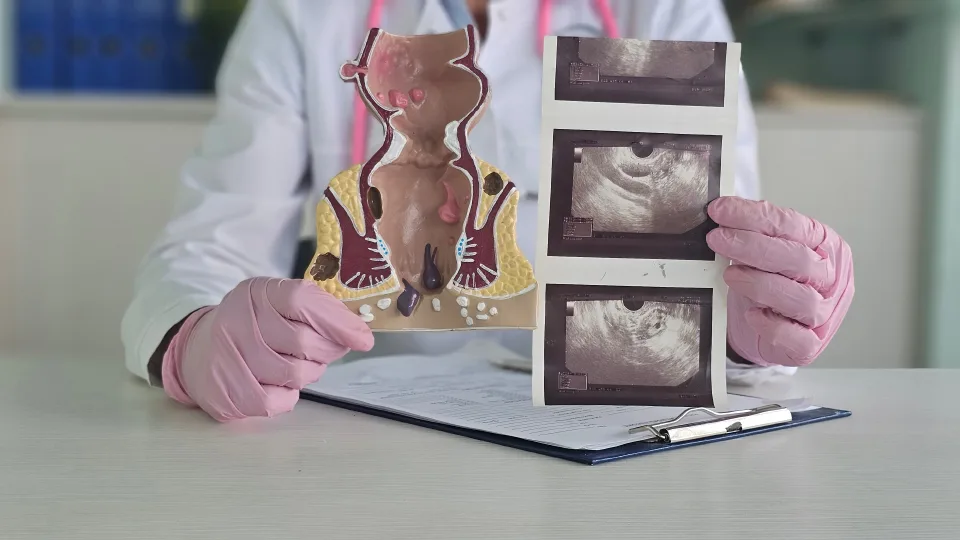
Why Colorectal Conditions Often Develop Without Obvious Symptoms
Colorectal conditions do not always cause obvious symptoms in their early stages. Polyps, early colorectal cancer and some other bowel conditions may be present before a person notices persistent pain, bleeding or changes in bowel habits.

The Multi-Disciplinary Approach to Colorectal Cancer Treatment
Colorectal cancer, which includes colon cancer and rectal cancer, is one of the most common cancers worldwide. Advances in screening, diagnosis and treatment have improved outcomes...

What Are Common Conditions Treated by a Colorectal Surgeon?
Many people experience digestive or bowel-related symptoms at some point in their lives, but it can be difficult to know when these issues require specialist attention.

Choosing Between Laser and Conventional Haemorrhoid Surgery
Learn the differences between laser and conventional haemorrhoid surgery, including recovery, post-operative discomfort and treatment suitability for different cases.

When Is Non-Surgical Treatment Enough for Piles?
Many early-stage piles can be managed without surgery through medication and conservative treatment. Learn when non-surgical piles treatment may be sufficient and when medical review is recommended.

Should You See a Colorectal Surgeon or Gastroenterologist?
Unsure whether to see a gastroenterologist or colorectal surgeon? Learn the differences between these specialists and when colorectal evaluation may be needed.
What to Expect Before, During and After Colorectal Surgery
Learn what to expect before, during and after colorectal surgery, including preparation, recovery and minimally invasive surgical options.
What Happens During a Colorectal Specialist Consultation?
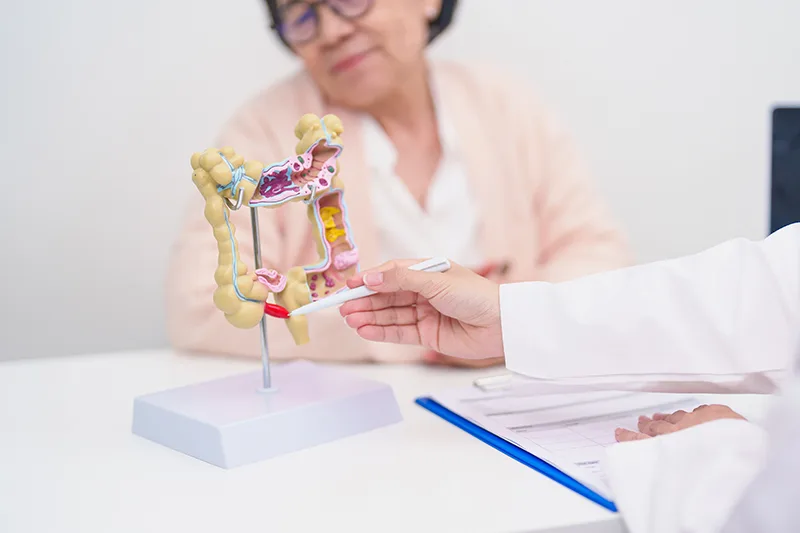
A colorectal specialist consultation typically involves three main steps: discussing your symptoms and medical history, undergoing a focused physical examination and, if needed, arranging further tests that could help your specialist make a diagnosis. Most consultation sessions are straightforward and structured, with your doctor guiding you through each stage and explaining what is being done and why.
Colorectal Cancer: When You Should Get Checked Earlier
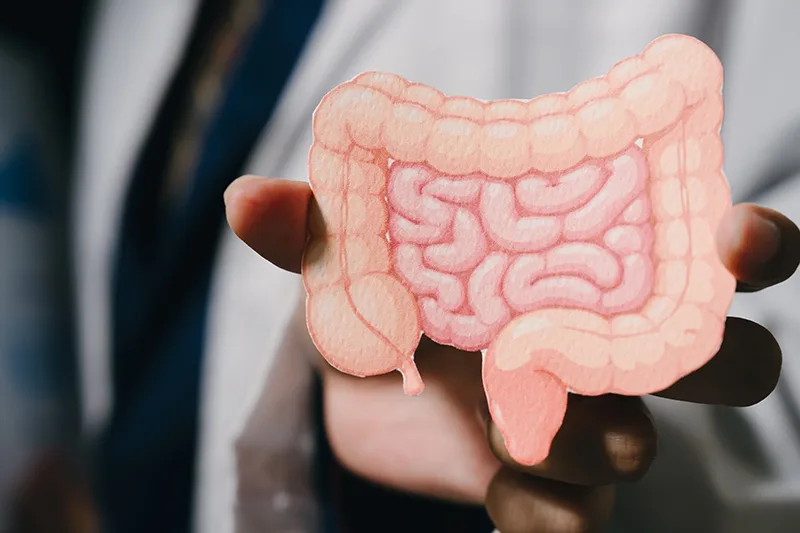
Colorectal cancer remains one of the most prevalent yet preventable malignancies in Singapore. While standard screening guidelines serve as a vital baseline for the general population, individual health profiles often necessitate a more proactive approach. Understanding when to deviate from the standard timeline is a critical component of personal health management.

When to See a Colorectal Specialist? 5 Key Signs & Symptoms
You should see a colorectal specialist if you experience persistent bowel changes, rectal bleeding, unexplained abdominal pain or symptoms that do not improve with basic care. Early evaluation can help identify serious conditions such as colorectal cancer, inflammatory bowel disease or chronic haemorrhoids.

The Hernia Symptoms That You Shouldn’t Ignore
In clinical practice, a hernia is often viewed as a manageable condition rather than an immediate crisis. For many patients, the initial journey begins with watchful waiting—a period of conservative monitoring where the hernia is considered stable. During this phase, stability is defined by a protrusion that remains soft and reducible, allowing the displaced tissue to be gently eased back into the abdominal cavity without resistance or significant pain.
Why a Colonoscopy is Essential Even When You Feel Well
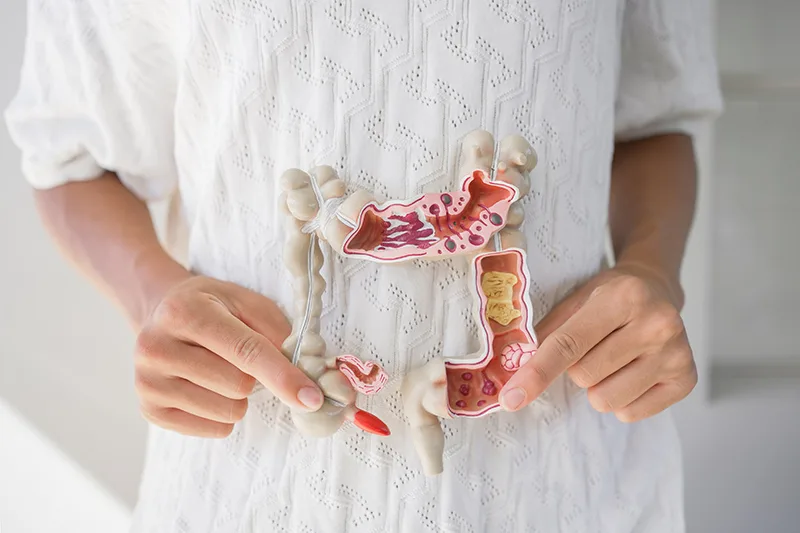
A common misconception in personal health management is the belief that no pain equals to no problem. Many individuals assume that if they maintain a balanced diet, exercise regularly, and have no noticeable changes in their bowel habits, their colorectal health is naturally secure. However, this relies on the dangerous assumption that the body always provides an early warning signal when a pathology begins to develop.
What Happens During a Colonoscopy and How Are Polyps Removed?
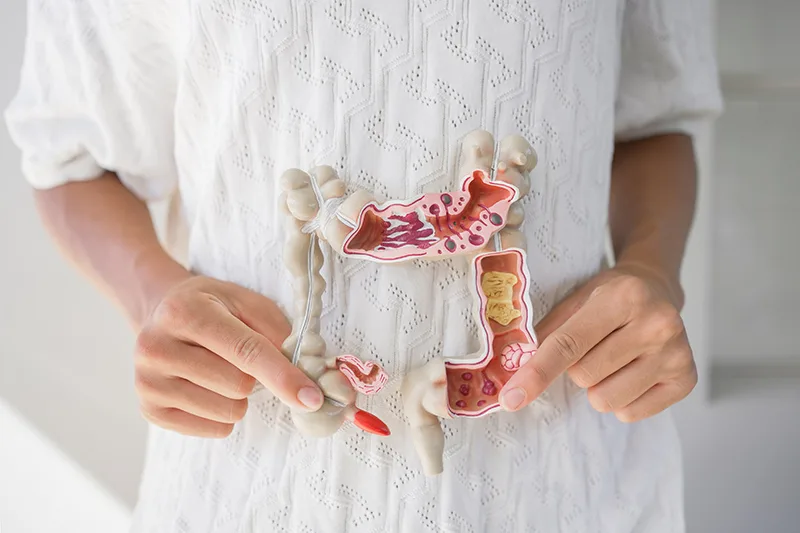
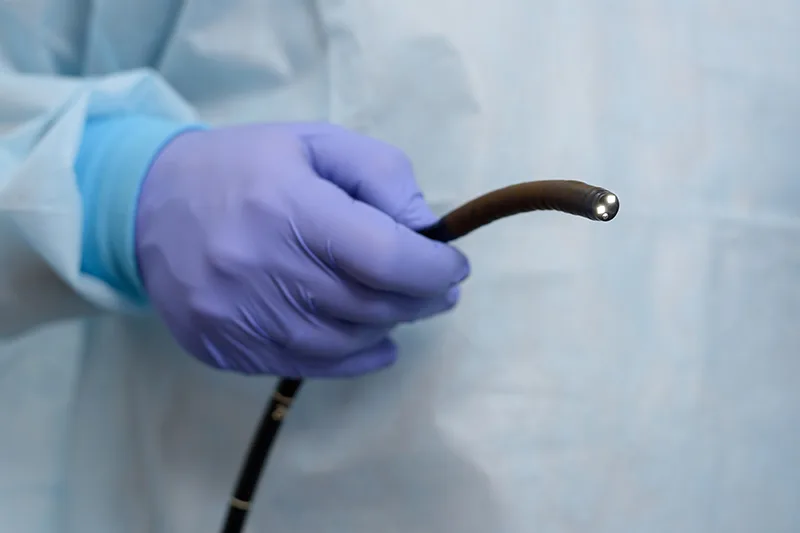
A colonoscopy is one of the most effective ways to examine the large intestine and detect early signs of colorectal conditions. For most patients, this procedure is straightforward and fast, serving both a diagnostic and preventive role for potential issues in the lower intestine. While it is natural to feel anxious, it is worth noting that this procedure is generally well-tolerated, and patient comfort is closely managed throughout.
Choosing the Right Colorectal Surgery Clinic in Singapore
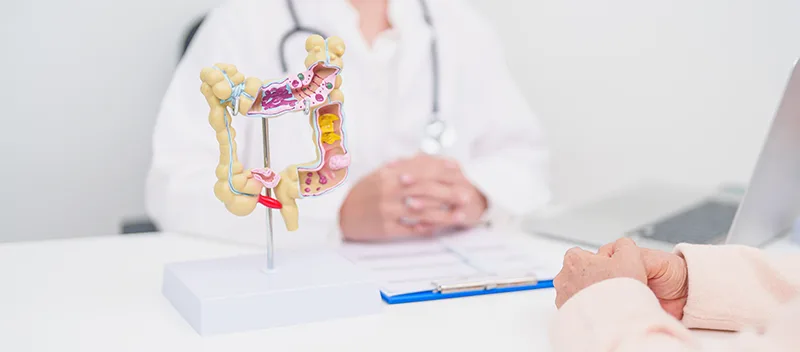
Handling colorectal conditions requires the right level of support and guidance from an experienced clinic. There is a wide range of providers available in Singapore, and there may be differences in specialised expertise, available technology, and continuity of care between clinics. Your choice of medical provider can play an important role in ensuring that you receive an accurate diagnosis and appropriate treatment for your condition.

Managing Piles Flare-ups During Chinese New Year
Piles flaring up during Chinese New Year? Learn how festive foods, travel and disrupted routines can trigger symptoms. Plus, practical tips to prevent and manage haemorrhoids comfortably throughout the celebrations.

Understanding Changes in Bowel Habits After Chinese New Year
Post-festive digestive issues are common, but some symptoms shouldn’t be ignored. Find out when bowel changes require professional evaluation.

Causes of Anal Pain or Discomfort Without Any Bleeding
Anal pain without bleeding is common and may be caused by constipation, haemorrhoids, irritation or muscle spasms. If discomfort is persistent, severe or recurring, seek professional evaluation to rule out infection or underlying colorectal conditions.

Conditions That May Be Mistaken for Piles
It is common for people to attribute discomfort, itching, or bleeding around the anal area to piles. These symptoms are widely recognised and often discussed, which makes piles the first condition that comes to mind. However, they are not always the cause. Several other conditions can present in a similar way, and assuming symptoms are due to piles may delay proper evaluation and timely treatment.

How to Prepare for Your First Visit to a Colorectal Clinic
If you are attending a colorectal clinic for the first time, it is normal to feel unsure about what to expect, particularly if you have never seen a specialist for digestive or bowel-related concerns. Whether you are experiencing new symptoms, arranging routine colorectal screening, or seeking clarity about your digestive health, understanding how the consultation works can help you feel more prepared. Colorectal specialists manage a wide range of conditions, and your first appointment is focused on understanding your concerns, assessing risk factors, and determining the most appropriate next steps.

FIT Test vs Colonoscopy: Which is More Effective?
Colorectal cancer is one of the most commonly diagnosed cancers in Singapore, which is why regular screening plays an important role in early detection and prevention. When screening is done early, problems can often be found and treated before they develop into serious conditions.
How a Colonoscopy Helps Protect Your Health
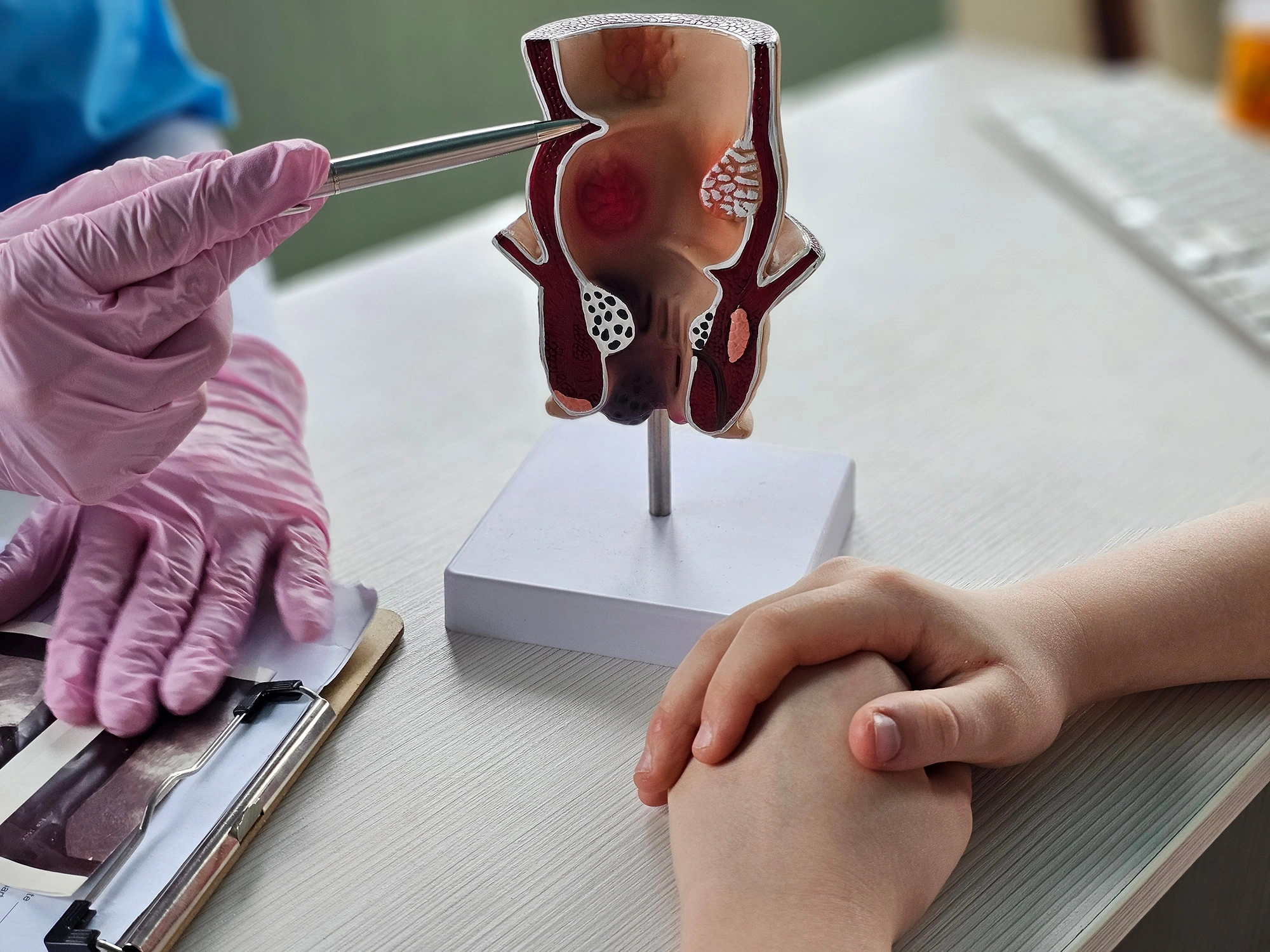
Caring for your colorectal health is an important part of maintaining overall well-being, yet many people are unsure when they should consider a colonoscopy or why the procedure matters. A colonoscopy provides a clear view of the colon and rectum, allowing doctors to identify early changes that may not cause symptoms. It is also one of the most reliable methods for detecting colorectal cancer at an early, more treatable stage.

What You Need to Know About Laser Treatment for Piles
Piles, also known as haemorrhoids, are swollen veins located in the rectum and anus that often cause pain and discomfort during bowel movements. While many individuals find relief...

What to Expect After a Colonoscopy
A colonoscopy is a procedure where a colorectal surgeon uses a long, flexible tube equipped with a light and camera, called a colonoscope, to examine the lining of the colon and rectum...

How to Choose the Right Surgeon for Haemorrhoid Treatment
Haemorrhoids, commonly known as piles, are a frequent condition among adults in Singapore. While often manageable with non-surgical haemorrhoid treatments...

Different Types of Piles
Haemorrhoids can be grouped into four main types: internal haemorrhoids, prolapsed haemorrhoids, external haemorrhoids, and thrombosed haemorrhoids.

Types of Piles Treatment
Piles, or haemorrhoids, are swollen blood vessels in the rectum and anus. Piles are very common and there are many types of piles treatments available to treat different types of piles.

Preparing for a Colonoscopy
One of the most effective ways to detect and prevent colon cancer is through a colonoscopy. As with all medical procedures, some preparations are needed before a colonoscopy can be carried out, with the main one being cleaning and emptying the colon.

Piles Surgery Aftercare
A haemorrhoidectomy is a surgery that removes haemorrhoids. Haemorrhoids (also known as piles) are swollen veins inside or around the anus and lower rectum.